Building an ethical moving industry: What North American Movers are doing today and what they must do moving forward
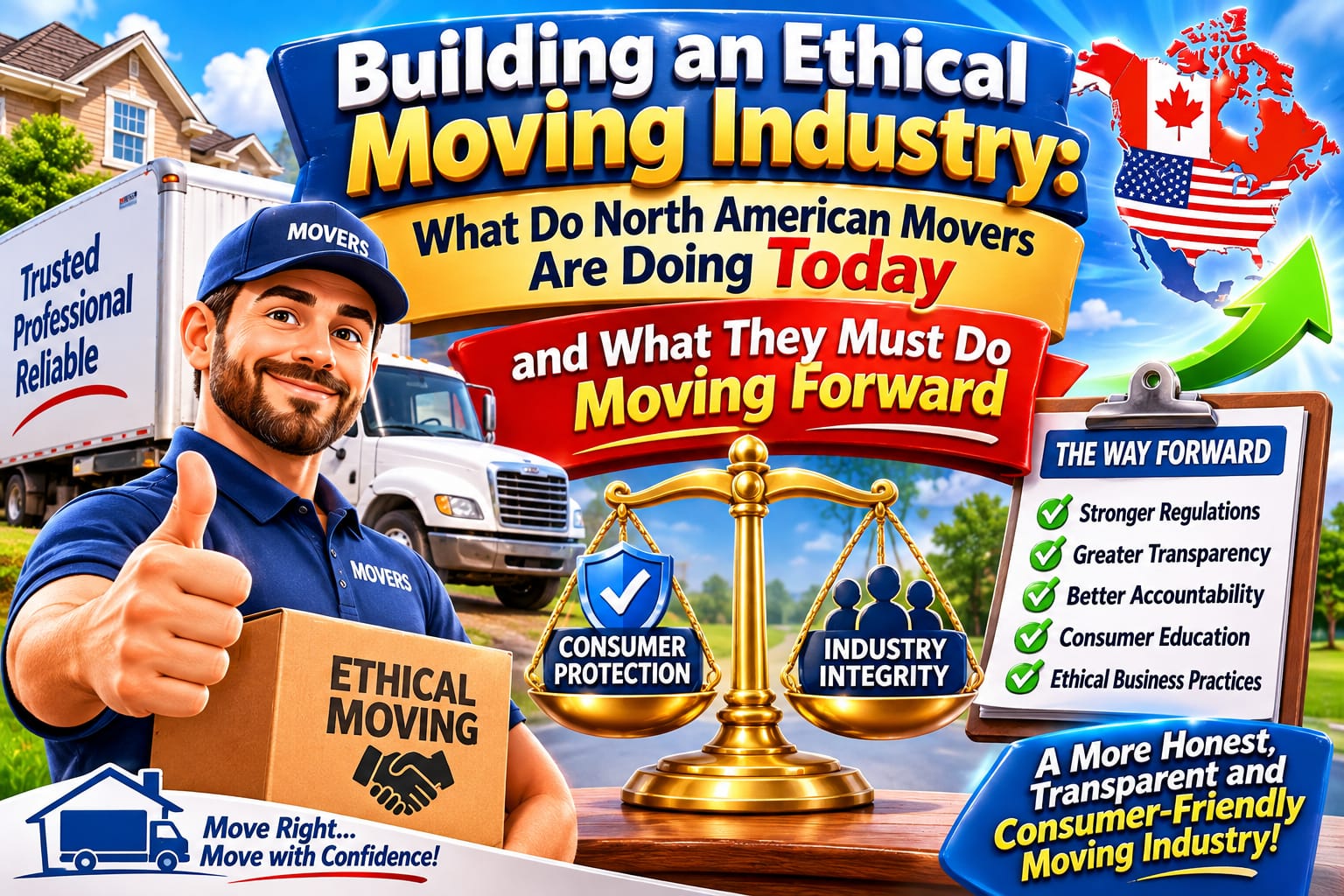
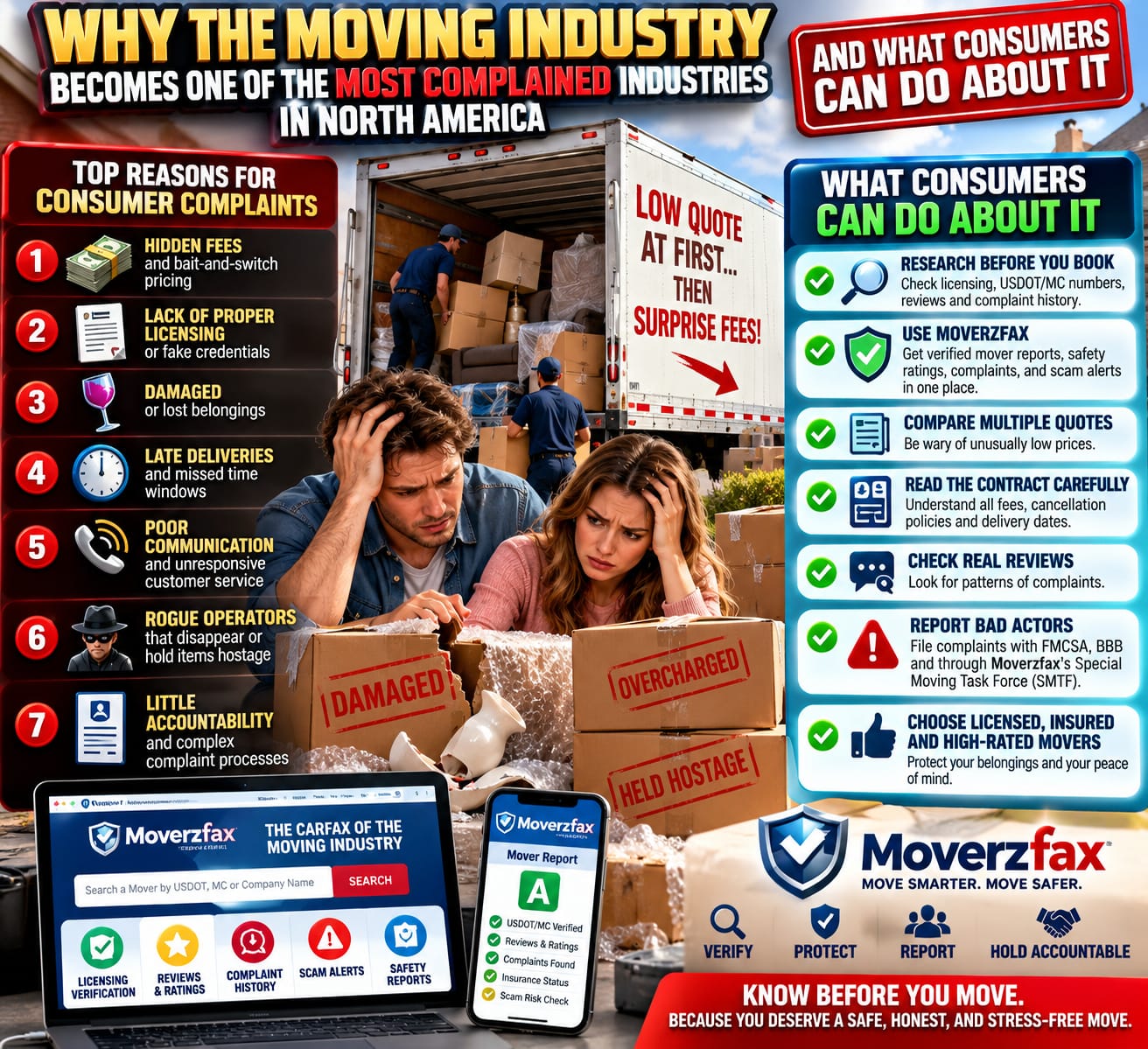
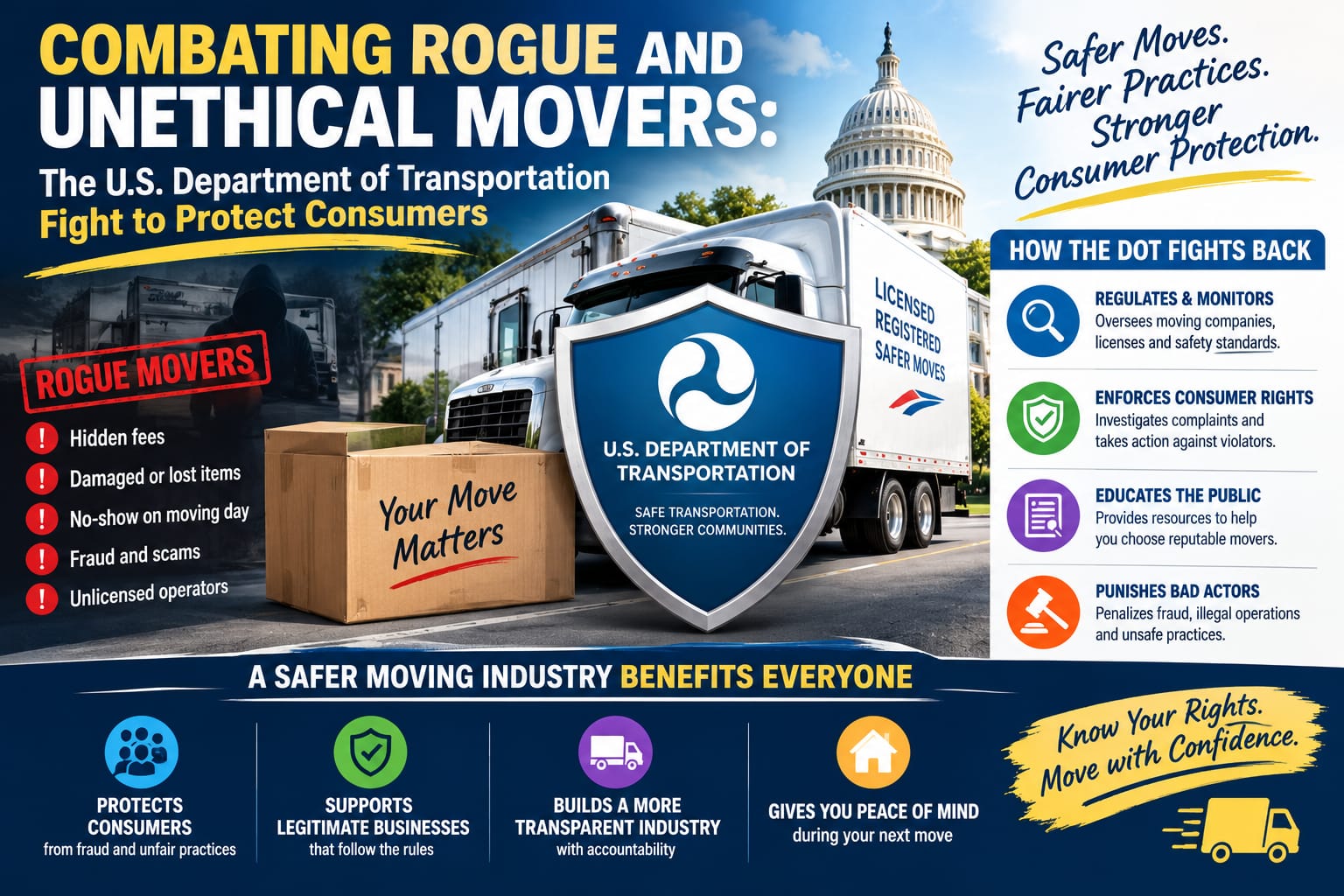
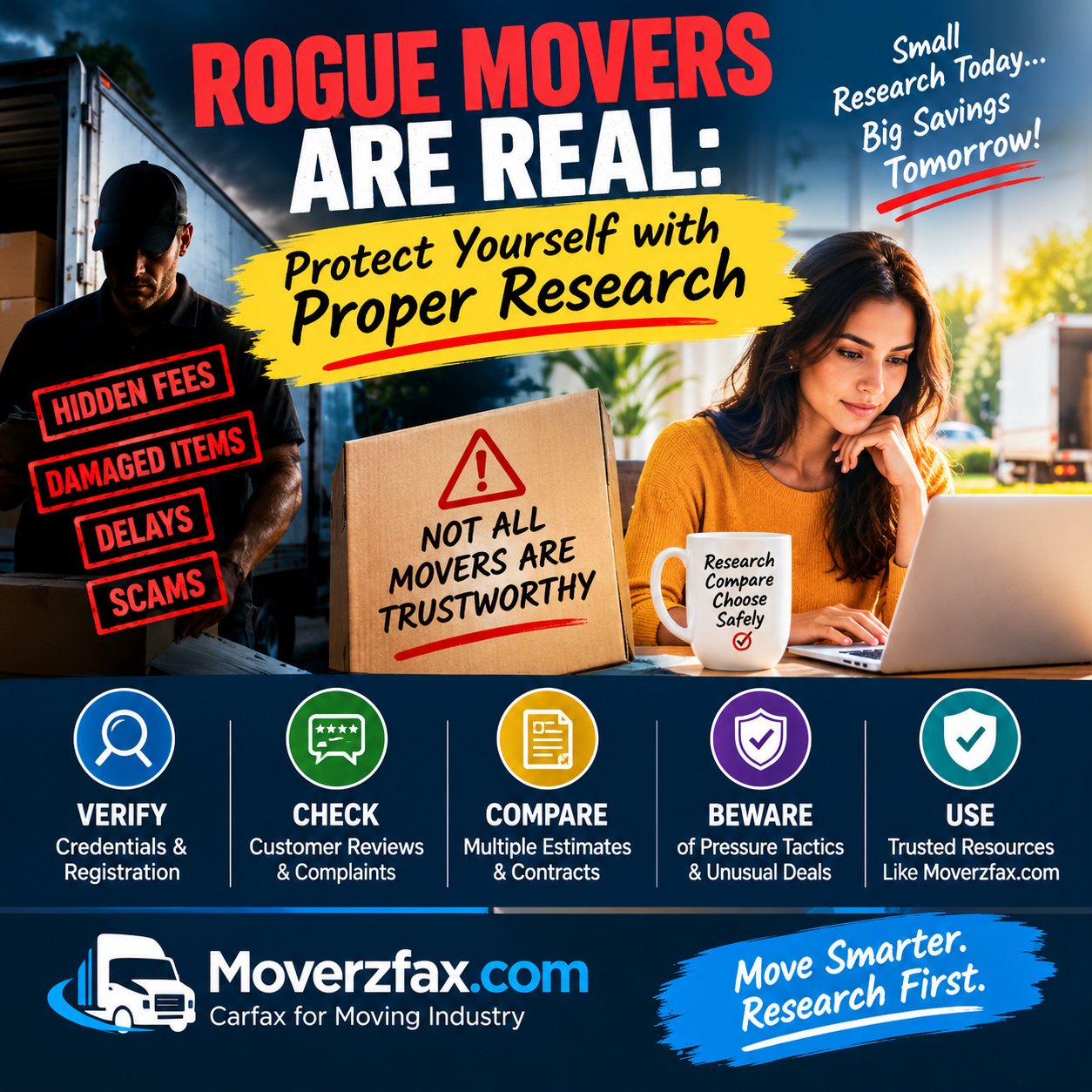
Visual Infographic
Click on the image below to expand and view full size infographic.
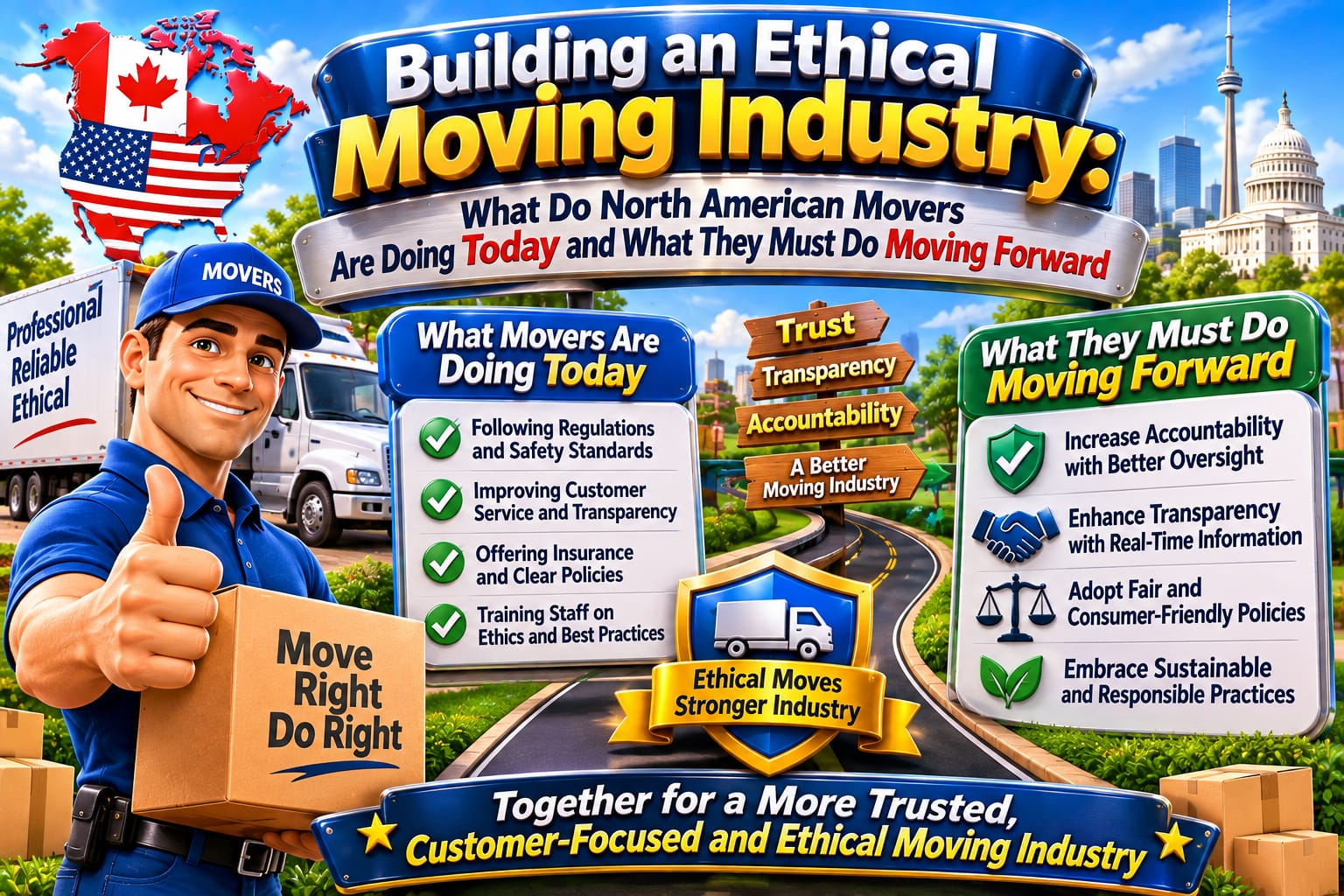
The moving industry plays an important role in people's lives, helping families and businesses transition to new homes, communities, and opportunities. However, moving can also be a stressful and financially significant experience. Customers place considerable trust in moving companies to handle their belongings safely, communicate honestly, and provide the services promised. Across North America, the industry is increasingly emphasizing transparency, accountability, consumer protection, and responsible business practices. While progress is being made, there is still considerable work to do to ensure ethical behavior becomes a consistent industry standard rather than simply a competitive advantage.
What Movers Are Doing Today to Improve Ethical Practices
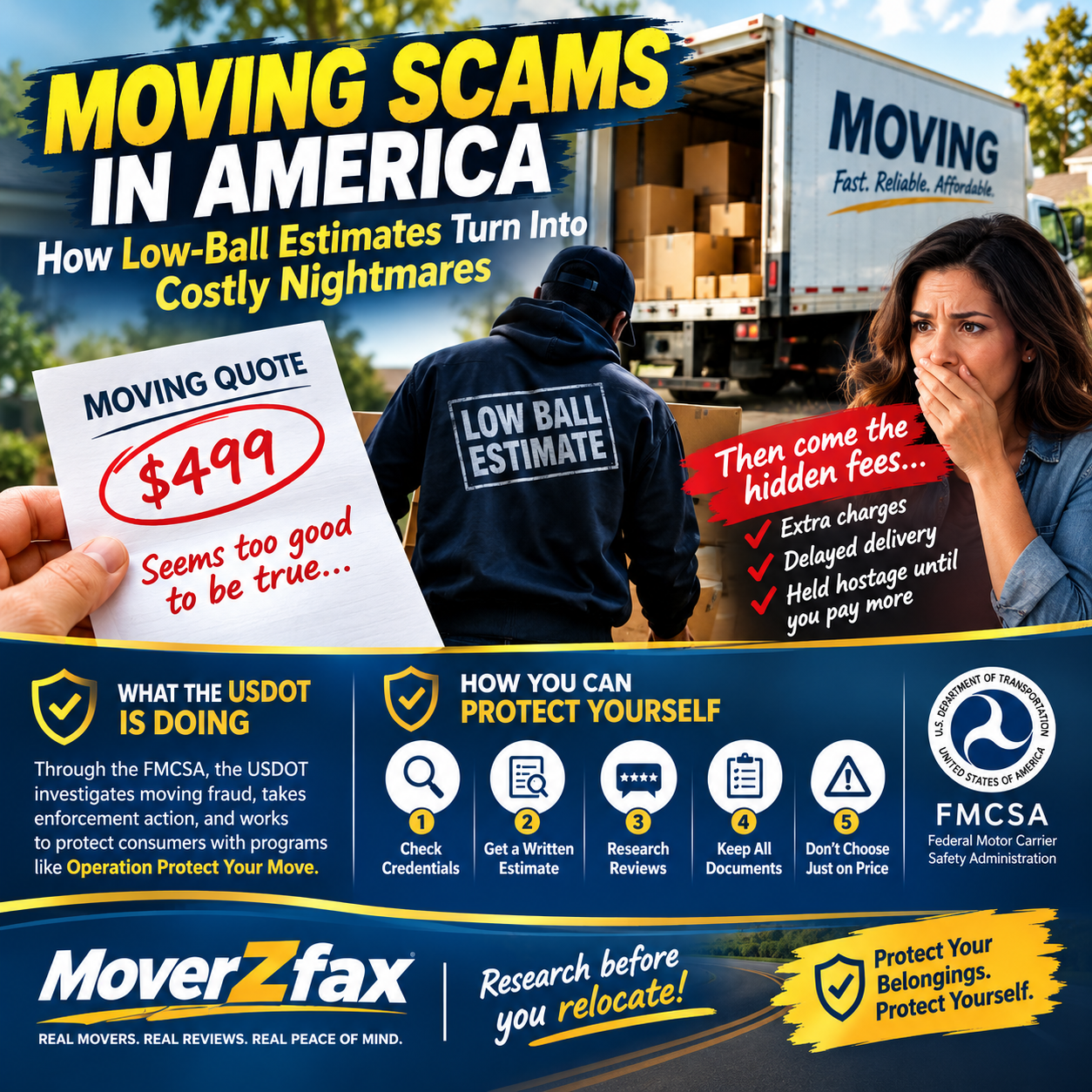
One important development is the growing emphasis on transparent pricing and written estimates. Reputable moving companies are making greater efforts to provide detailed quotes, explain potential additional charges, and clarify the difference between binding and non-binding estimates. This helps customers avoid unexpected costs and reduces the likelihood of disputes when the final bill arrives.
Another positive development is increased attention to licensing, insurance, and professional credentials. In the United States, interstate moving companies are subject to federal registration and consumer-protection requirements. Programs such as the ProMover certification, administered by the American Trucking Associations' Moving & Storage Conference, also encourage companies to demonstrate professional standards and ethical business conduct.
Technology is helping improve accountability as well. Many moving companies now use digital inventories, electronic contracts, shipment tracking, and online communication systems. These tools allow customers to monitor their moves, review agreements, document the condition of belongings, and maintain records of conversations and transactions.
Additionally, reputable movers are placing greater importance on customer reviews, complaint resolution, employee training, and damage-prevention procedures. Companies increasingly recognize that ethical conduct involves more than delivering furniture and boxes. It also means treating customers respectfully, responding to concerns promptly, and accepting responsibility when mistakes occur.
Challenges That Still Need to Be Addressed
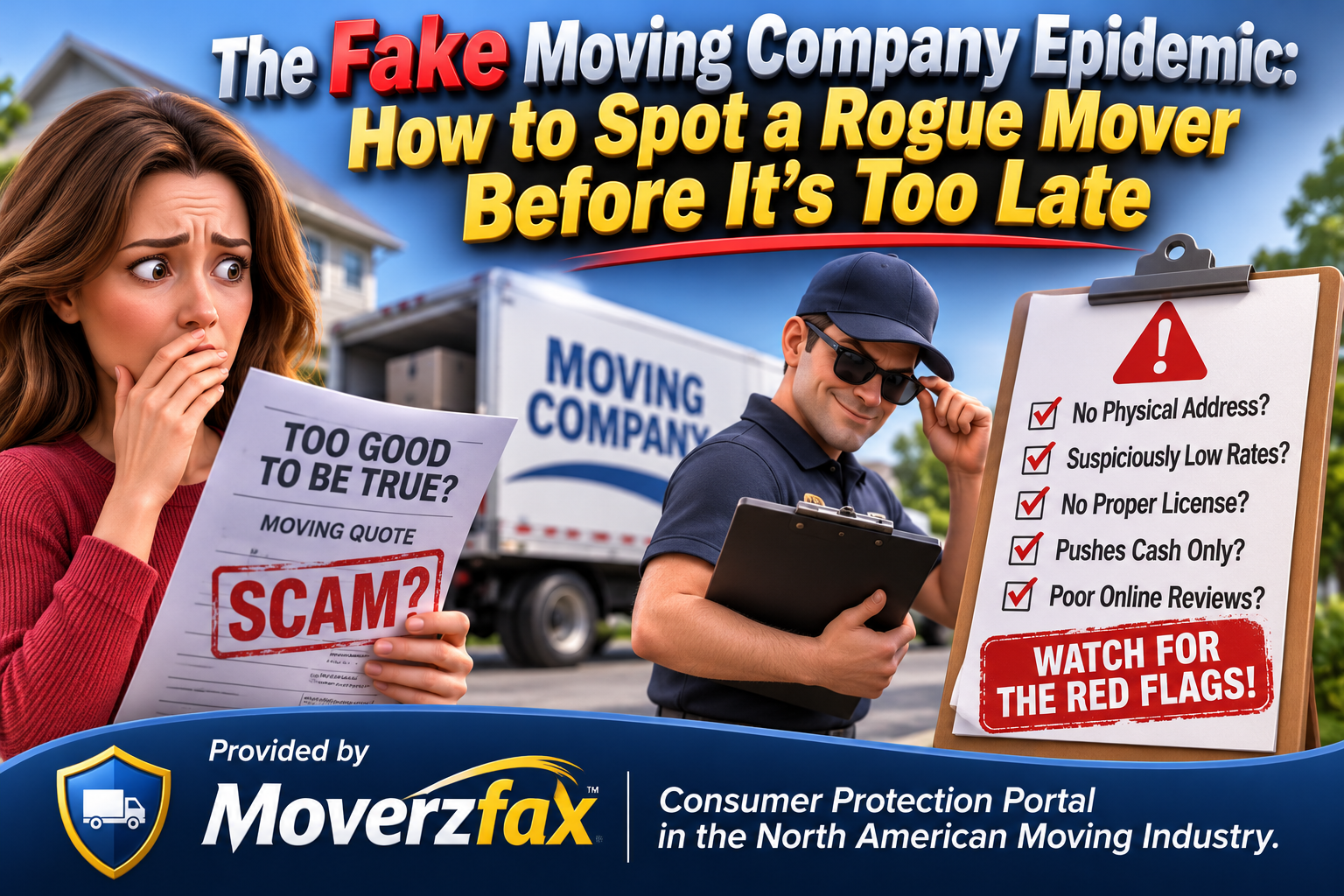
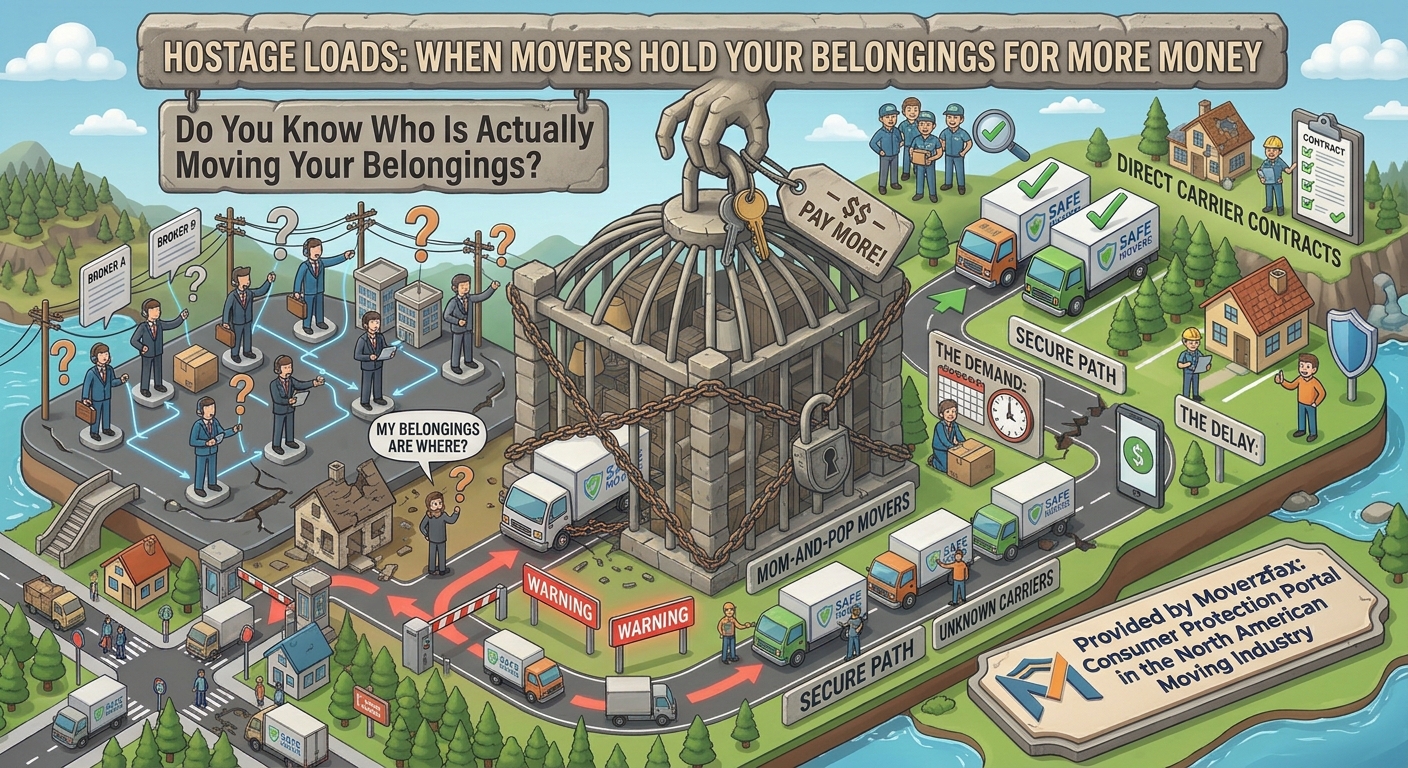
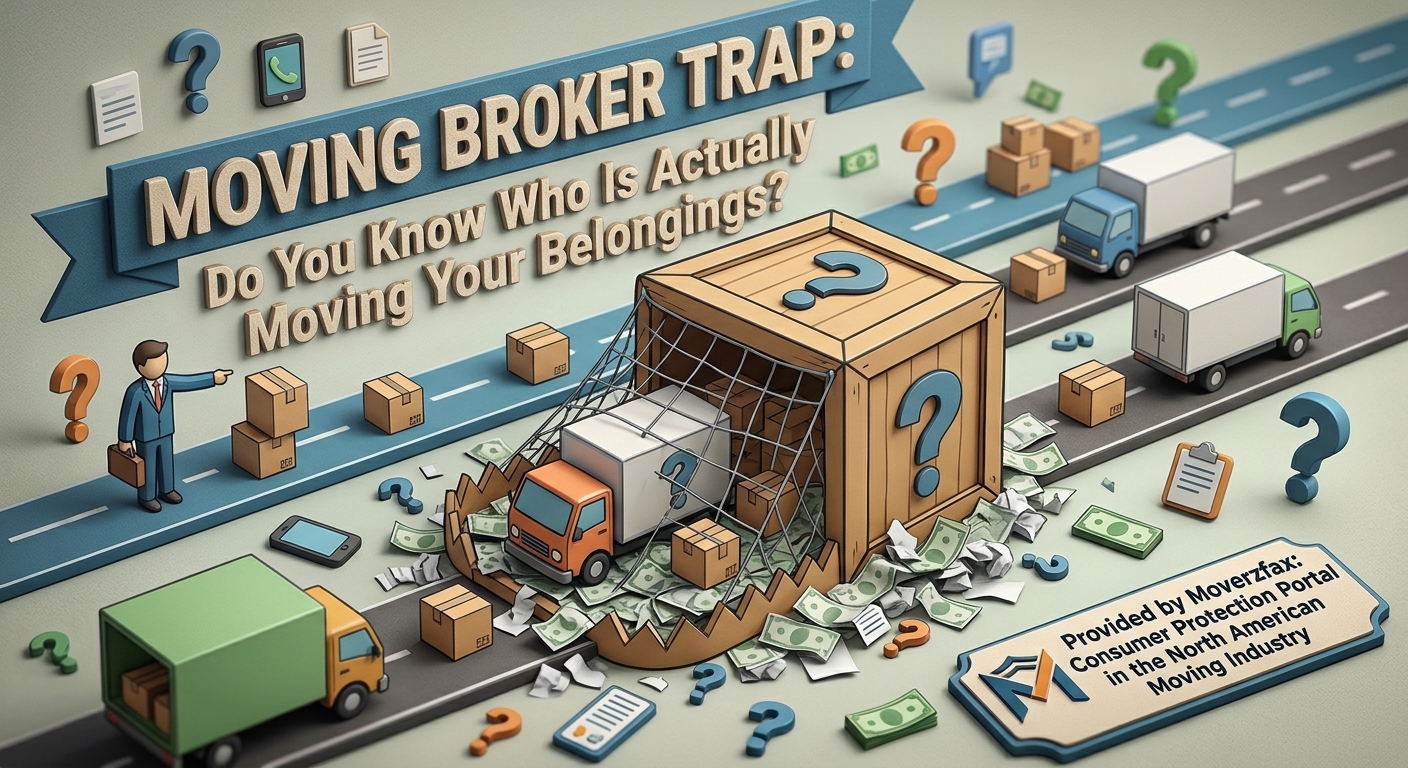
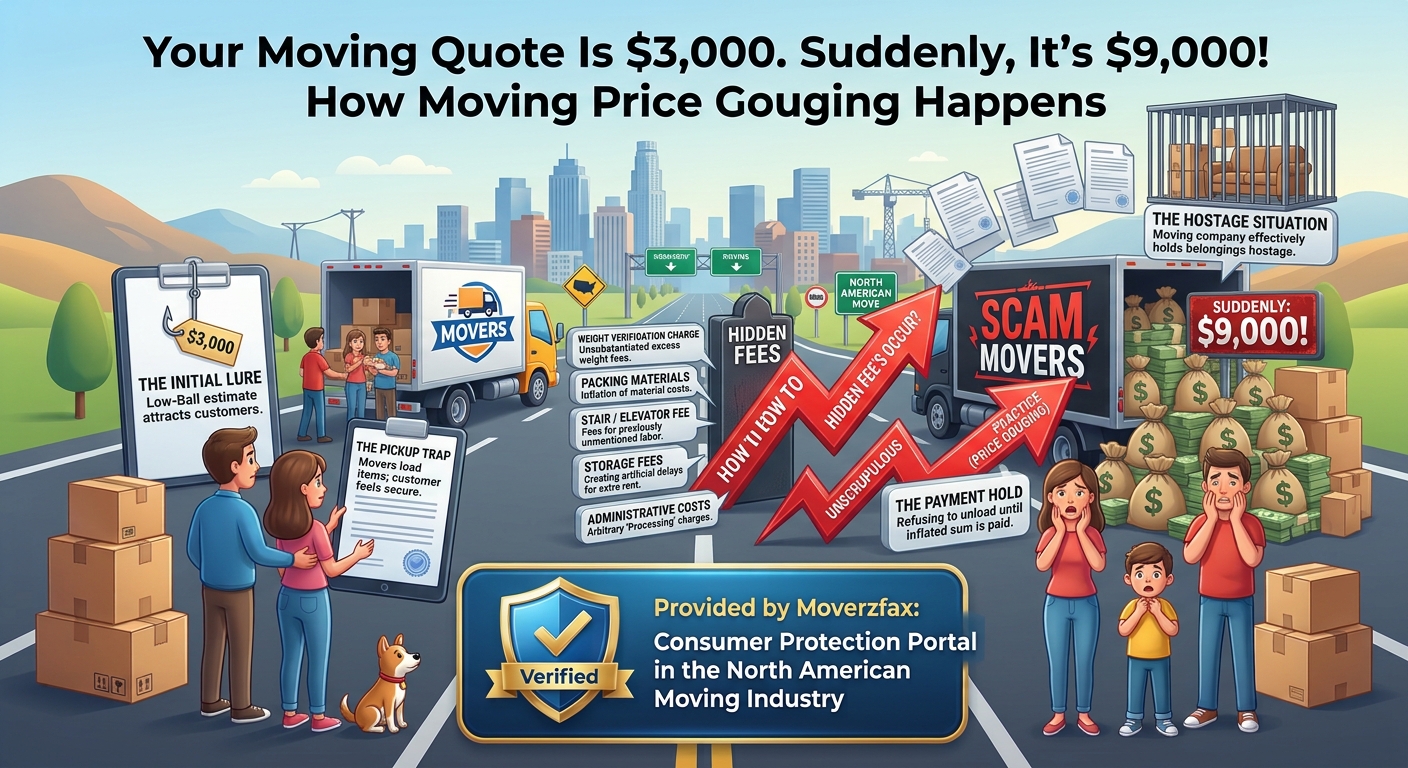
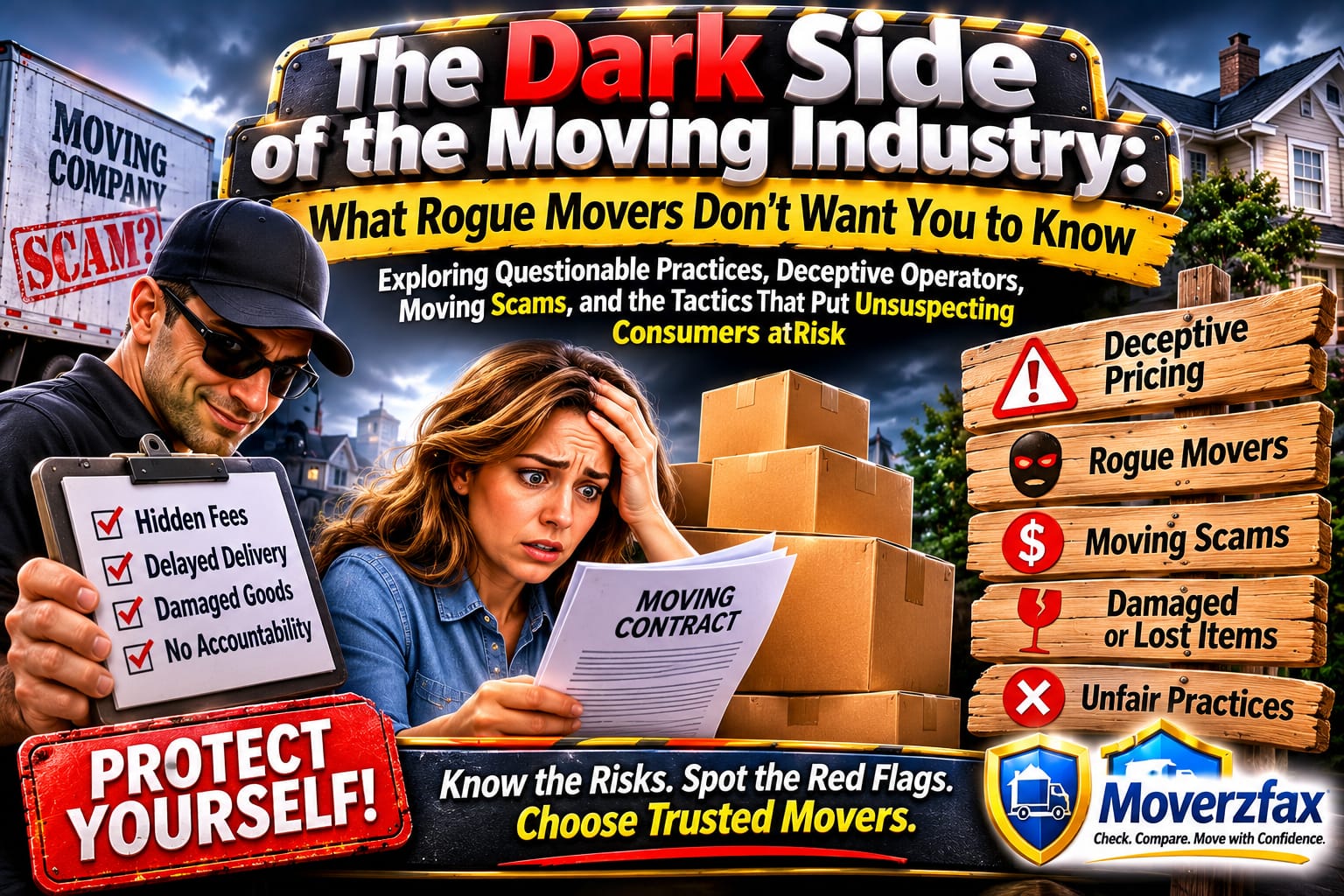
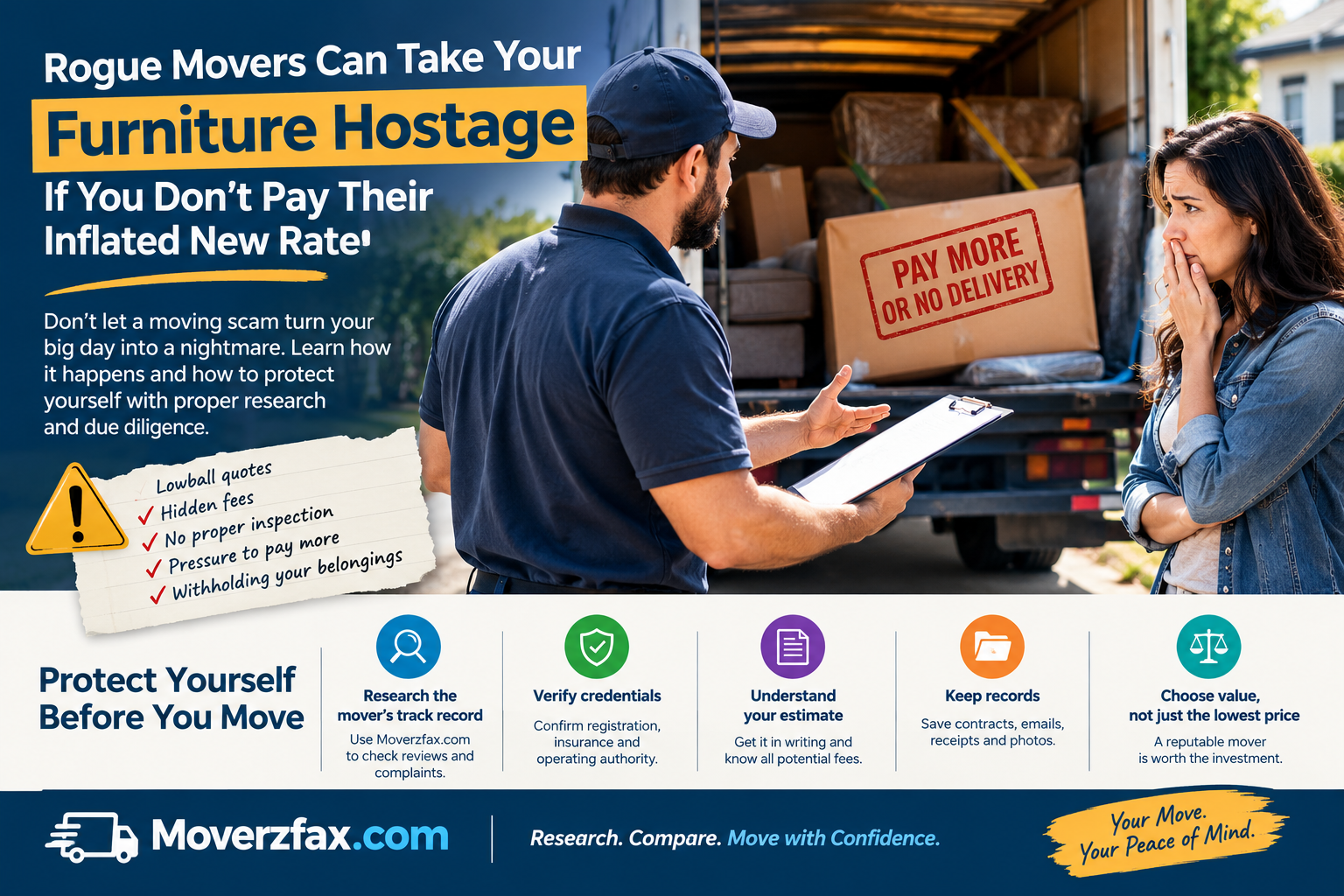
Despite these improvements, unethical practices remain a serious concern. Some customers continue to experience misleading estimates, unexpected price increases, delayed deliveries, damaged possessions, and inadequate communication. One particularly harmful practice involves movers holding customers' belongings until additional, unexpected payments are made.
The seriousness of these problems is reflected in the Federal Motor Carrier Safety Administration's (FMCSA) enforcement efforts. Its 2024 Operation Protect Your Move investigated 62 cases and addressed 380 consumer complaints, including 128 complaints involving household goods being held hostage.
In Canada, consumer protections also vary by province, making it important for moving companies to understand and follow the applicable local regulations. For example, Ontario's consumer guidance specifically warns against movers withholding belongings to pressure customers into paying additional charges.
What Moving Companies Should Do Moving Forward
To build a more ethical and responsible industry, moving companies must make customer protection a central part of their business strategies. Several important steps should guide their future behavior:
1. Practice complete pricing transparency. Companies should provide accurate, itemized written estimates, explain all possible additional charges, and obtain customer approval before performing services that increase the agreed price.
2. Improve communication and accountability. Customers should receive timely updates about scheduling, delivery delays, shipment locations, and unexpected problems. Every customer should have access to someone who can address concerns and resolve disputes.
3. Protect customers' belongings. Movers must establish consistent procedures for inventory management, safe handling, transportation, storage, and damage reporting. Customers should never have their possessions withheld as leverage in a payment disagreement.
4. Invest in employee education and ethical leadership. Employees should receive training in customer service, professional conduct, workplace safety, and conflict resolution. Management must demonstrate ethical behavior and hold employees accountable for misconduct.
5. Establish fair complaint-resolution procedures. Companies should respond promptly to complaints, investigate damage claims fairly, and offer reasonable solutions. They should also use customer feedback to identify recurring problems and improve operations.
6. Commit to responsible business practices. Moving companies should maintain appropriate licensing and insurance, comply with applicable regulations, advertise honestly, and work with reputable business partners and brokers.
The future of the North American moving industry depends on trust. Although many companies are taking positive steps toward transparency, professionalism, and consumer protection, ethical responsibility must become an everyday business commitment. Industry organizations, regulators, company owners, and employees all have a role in creating meaningful change.
Ultimately, a successful moving company should not measure its performance solely by revenue, the number of completed moves, or operational efficiency. It should also measure success by customer satisfaction, employee well-being, honesty, and accountability. Customers deserve to feel respected and protected throughout the moving process. By making these values the foundation of their operations, moving companies can strengthen their reputations, build lasting customer relationships, and create a more trustworthy and responsible industry for generations to come.
Check Mover Legitimacy
Before hiring any mover, verify their USDOT registration and safety history report.
Search Mover NowRecent Articles







No comments published yet. Be the first to share your thoughts below!
Leave a Reply