One of the most alarming consumer protection topics. Explain how hostage-load disputes occur, warning signs, what documentation to keep, and where consumers can seek assistance.
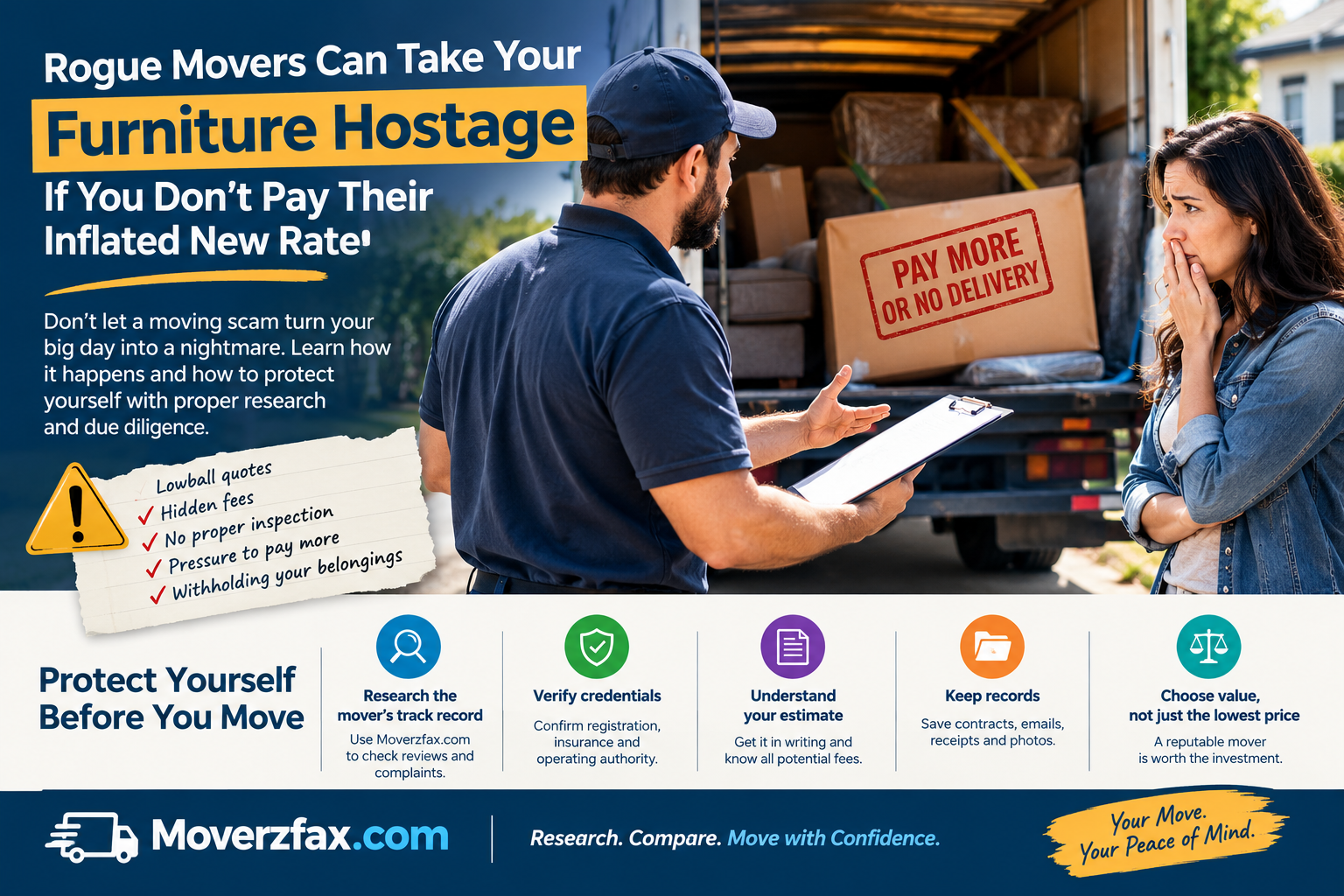
HOSTAGE LOADS: When Moving Companies Hold Your Belongings
for More Money – What Every Consumer Needs to Know
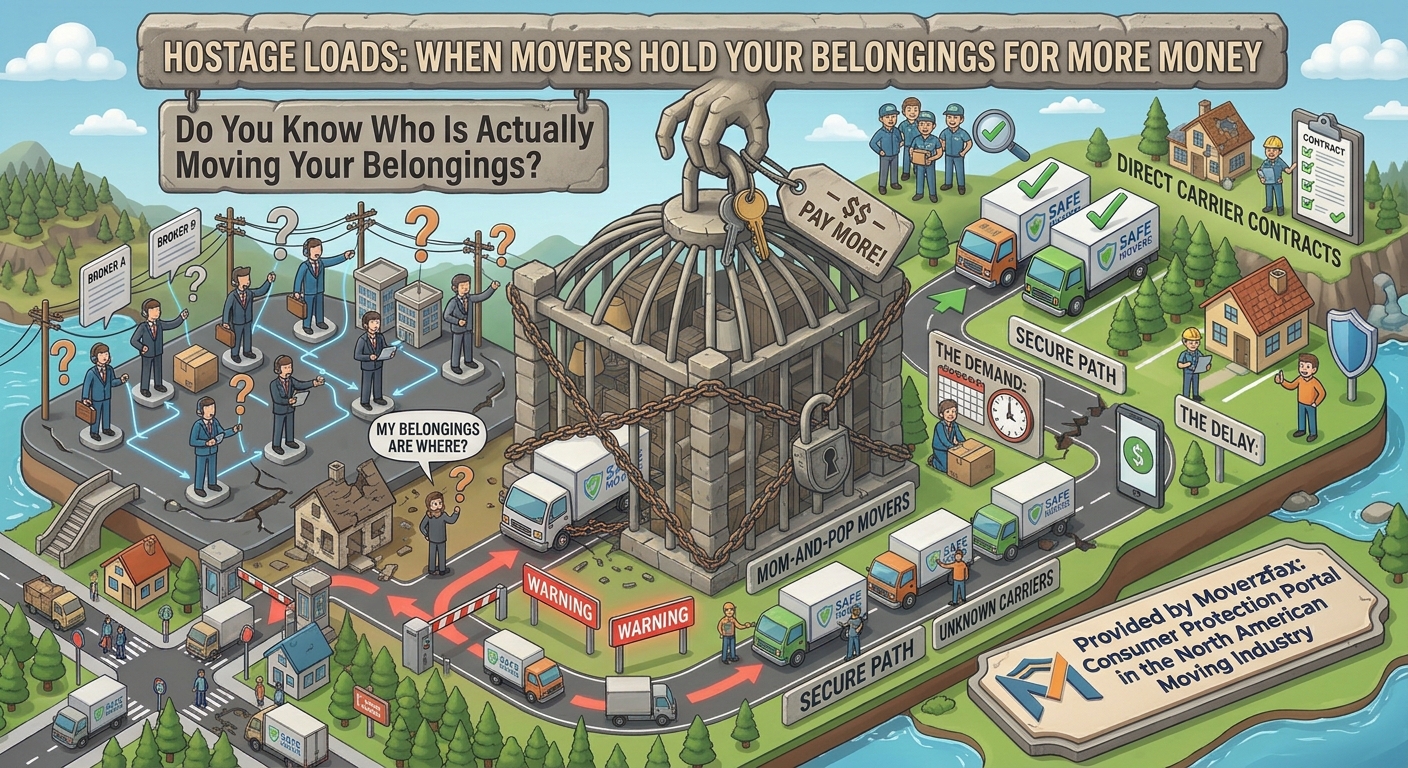
Imagine arriving at your new home, expecting your furniture,
clothing, family photographs, and everything you've worked years to acquire.
But the moving truck never arrives. Instead, you receive a phone call telling
you that your belongings will not be delivered unless you pay thousands of
dollars more than originally agreed. You question the amount, ask for an
explanation, and suddenly the conversation becomes threatening. Your
possessions are somewhere on a truck, and the company holding them appears to
have all the leverage. Welcome to one of the most frightening situations a
moving consumer can experience: a hostage-load dispute.
Unfortunately, this is not simply a hypothetical concern.
The Federal Motor Carrier Safety Administration (FMCSA) has specifically
identified hostage-load complaints as a serious problem in the interstate
moving industry. Its Operation Protect Your Move investigations addressed 128
hostage complaints in 2024 alone. These are situations in which consumers
report that movers are withholding household possessions to demand excessive
additional payments. (Source: FMCSA, Operation Protect Your Move 2024 report.)
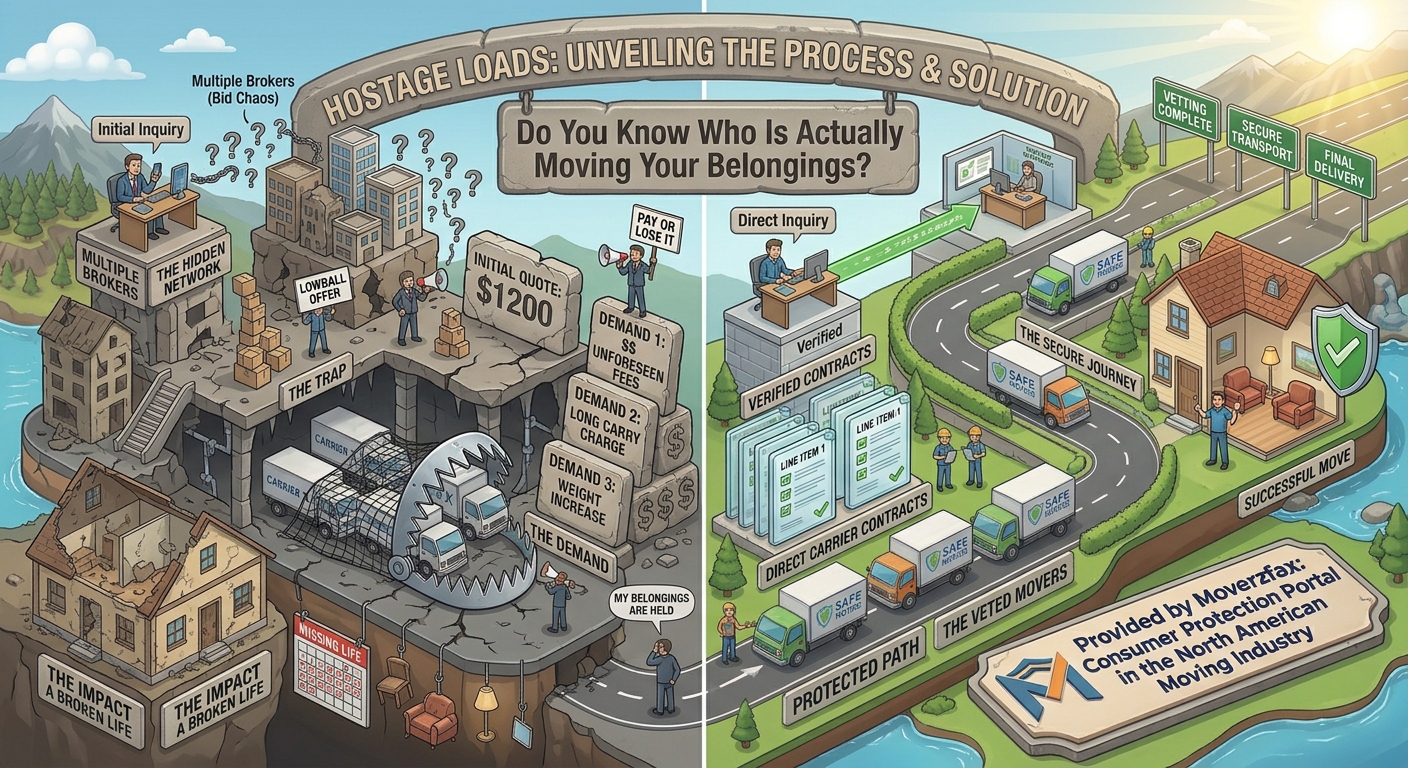
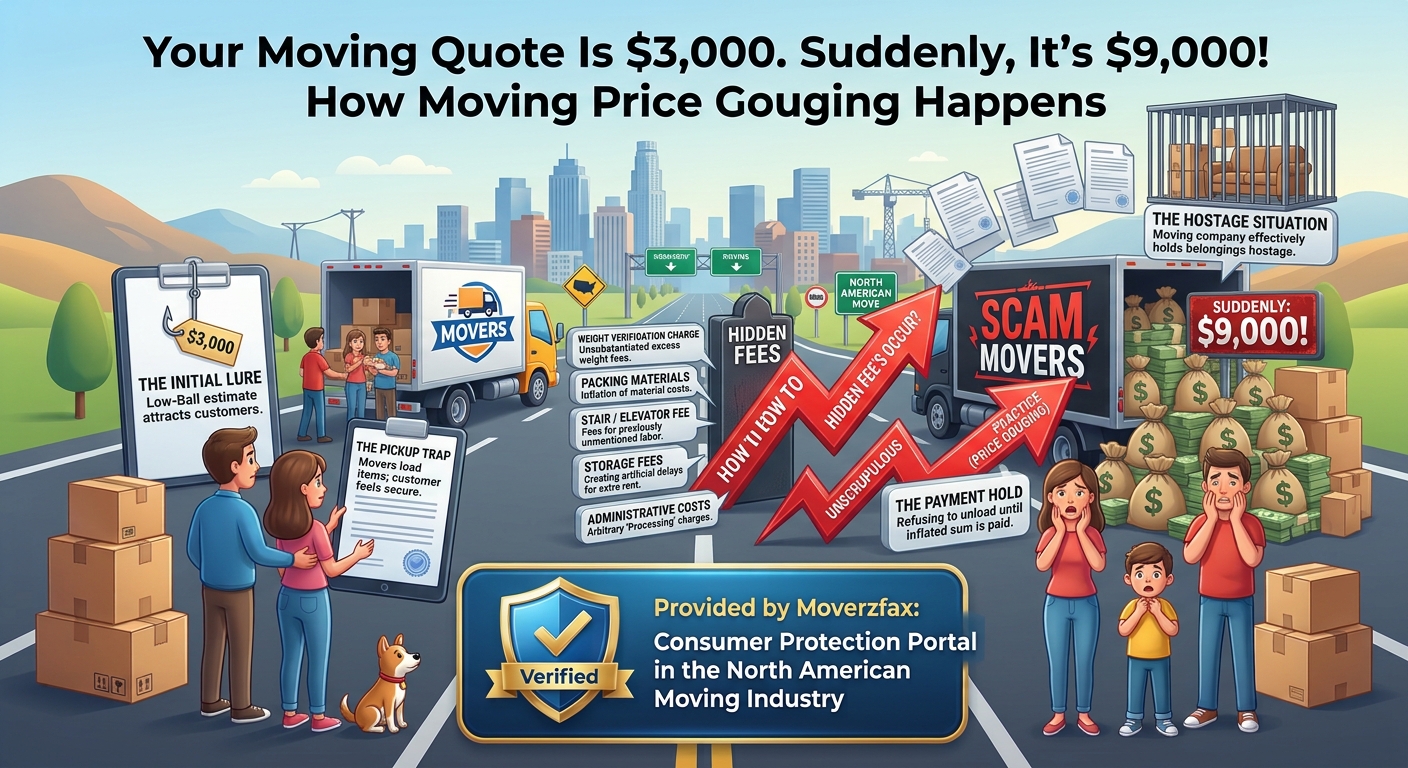
How Does a Hostage-Load Situation Happen? Consider a family
relocating from New York to Texas. They receive a moving estimate of
$4,500, sign the paperwork, and pay their required deposit. The moving crew
arrives, loads the household belongings, and drives away. A few days later, the
family receives an unexpected call. The company claims the shipment weighs
considerably more than anticipated, and the new balance is now $8,500. The
family questions the increase, but the representative insists that payment must
be made before delivery. With their furniture, essential household items, and
personal belongings out of reach, the family feels pressured to pay. This is
where a routine moving dispute can become something far more serious. Not every
price adjustment is illegal. Actual shipment weight, additional services, and
other properly documented charges can affect the final bill. However, when a
mover refuses to deliver a shipment unless the consumer pays amounts beyond
what federal regulations permit, the situation may constitute an unlawful
hostage-load practice.
Your Rights: What Rogue Movers Hope You Don't Know. For
qualifying interstate household goods moves in the United States, FMCSA regulations
provide important payment protections. If you have a binding estimate, the
mover generally cannot require more than the binding estimate at delivery. For
a non-binding estimate, the mover generally cannot require more than 110% of
the estimate at delivery. Applicable additional charges may be billed later
under the regulations. If you have paid the applicable amount and the mover
still refuses to deliver your belongings, FMCSA considers this a potential
violation of federal consumer protection requirements. Understanding the
difference between binding and non-binding estimates could make a significant
difference when dealing with a moving dispute.
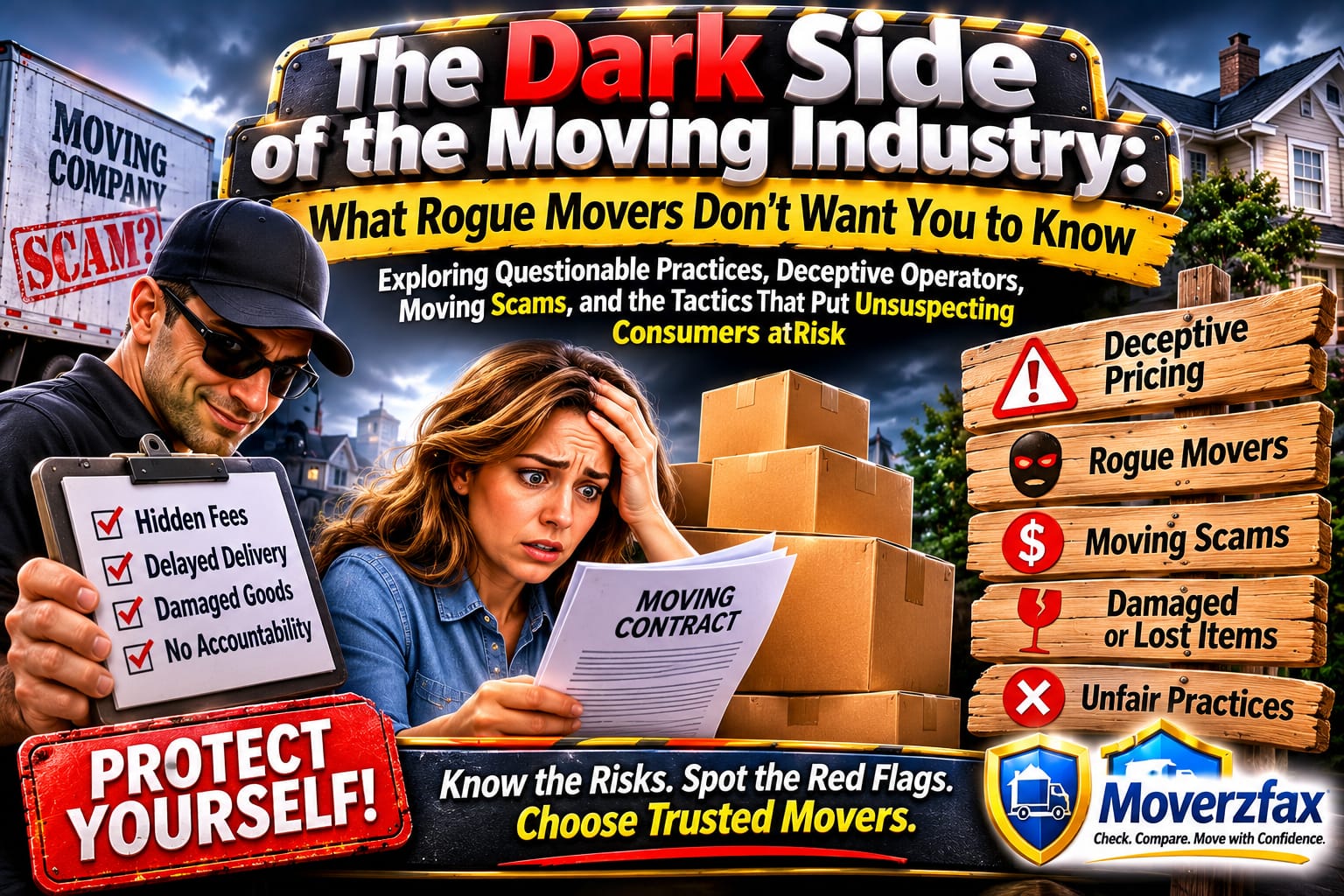
Warning Signs You Should Never Ignore. Be cautious if a
moving company suddenly increases the price after loading your belongings,
refuses to explain additional charges in writing, demands unexpected cash
payments, threatens to withhold delivery, or refuses to disclose the location
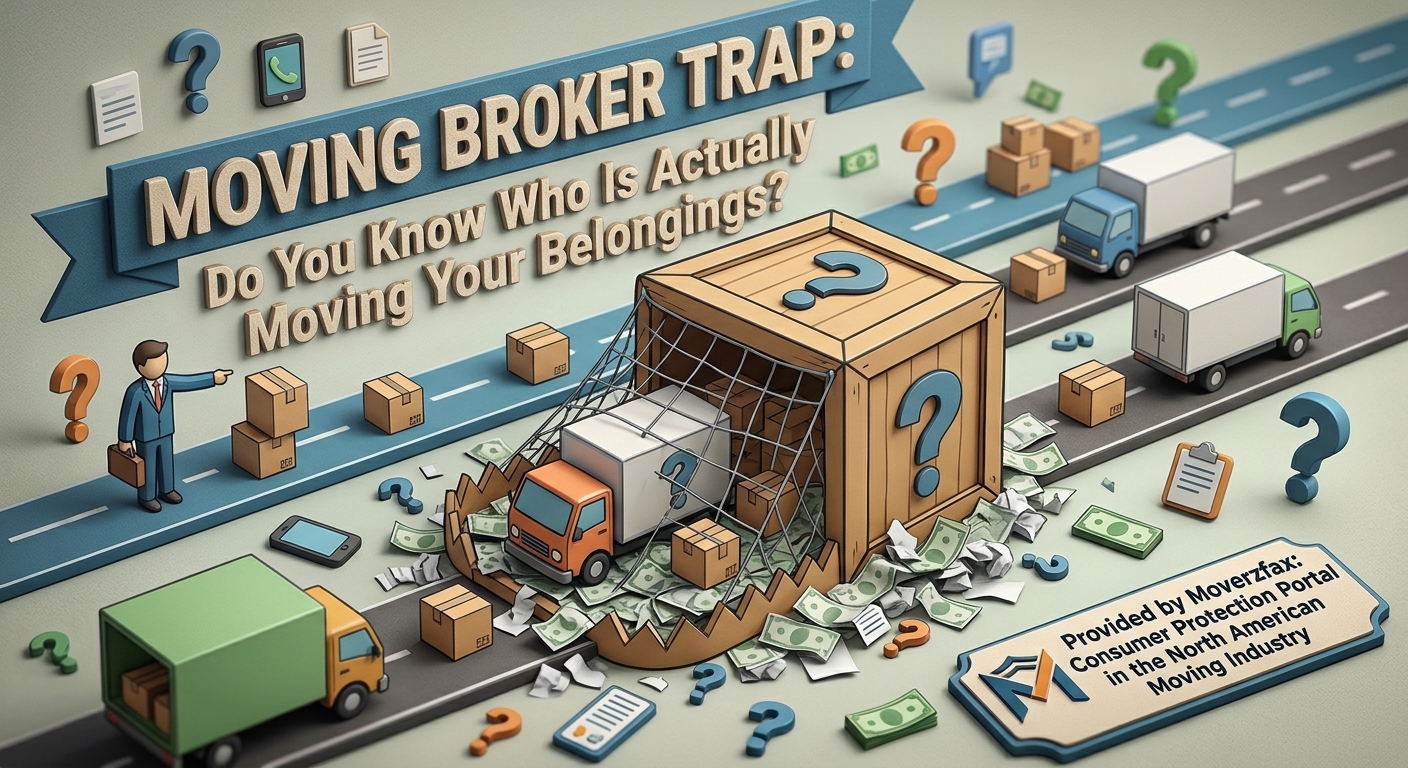
of your shipment. Another serious warning sign is when the company you originally
booked with is suddenly difficult to reach, leaving you dealing with an
unfamiliar carrier or representative. Before moving day, verify the actual
carrier's identity and credentials, understand your estimate, and make sure all
agreed services and payment terms are documented.
What Should You Do If Your Belongings Are Being Held
Hostage? First, remain calm and avoid allowing a stressful situation to prevent
you from protecting your rights. Preserve every piece of evidence. Keep your
original written estimate, bill of lading, order for service, inventory
documents, payment receipts, emails, text messages, and call records. Document
the additional amount demanded, the company's explanation, and any refusal to
deliver your belongings. Keep a written record of when you offered or completed
payment and what the company said in response. Do not sign revised documents
you do not understand, and seek legal advice if necessary.
For interstate household goods hostage-load complaints,
FMCSA specifically identifies several important documents: the written
estimate, bill of lading, proof of completed or offered payment, documentation
showing the company's refusal to deliver or disclose the shipment's location
after payment, and the amount demanded for delivery.
Where Can Consumers Seek Help? If you believe an interstate
mover is holding your belongings unlawfully, contact the Federal Motor Carrier
Safety Administration. You can submit a complaint through its consumer
protection website at https://www.fmcsa.dot.gov/protect-your-move or call
1-888-DOT-SAFT (1-888-368-7238). You can also contact your state's Attorney
General, consumer protection agency, or local law enforcement if you suspect
fraud or threats. Remember, FMCSA can investigate complaints and take
enforcement action, but it does not directly resolve private claims or
guarantee the recovery of your belongings. For local, intrastate, and Canadian
moves, different regulatory authorities and consumer protection rules may
apply.
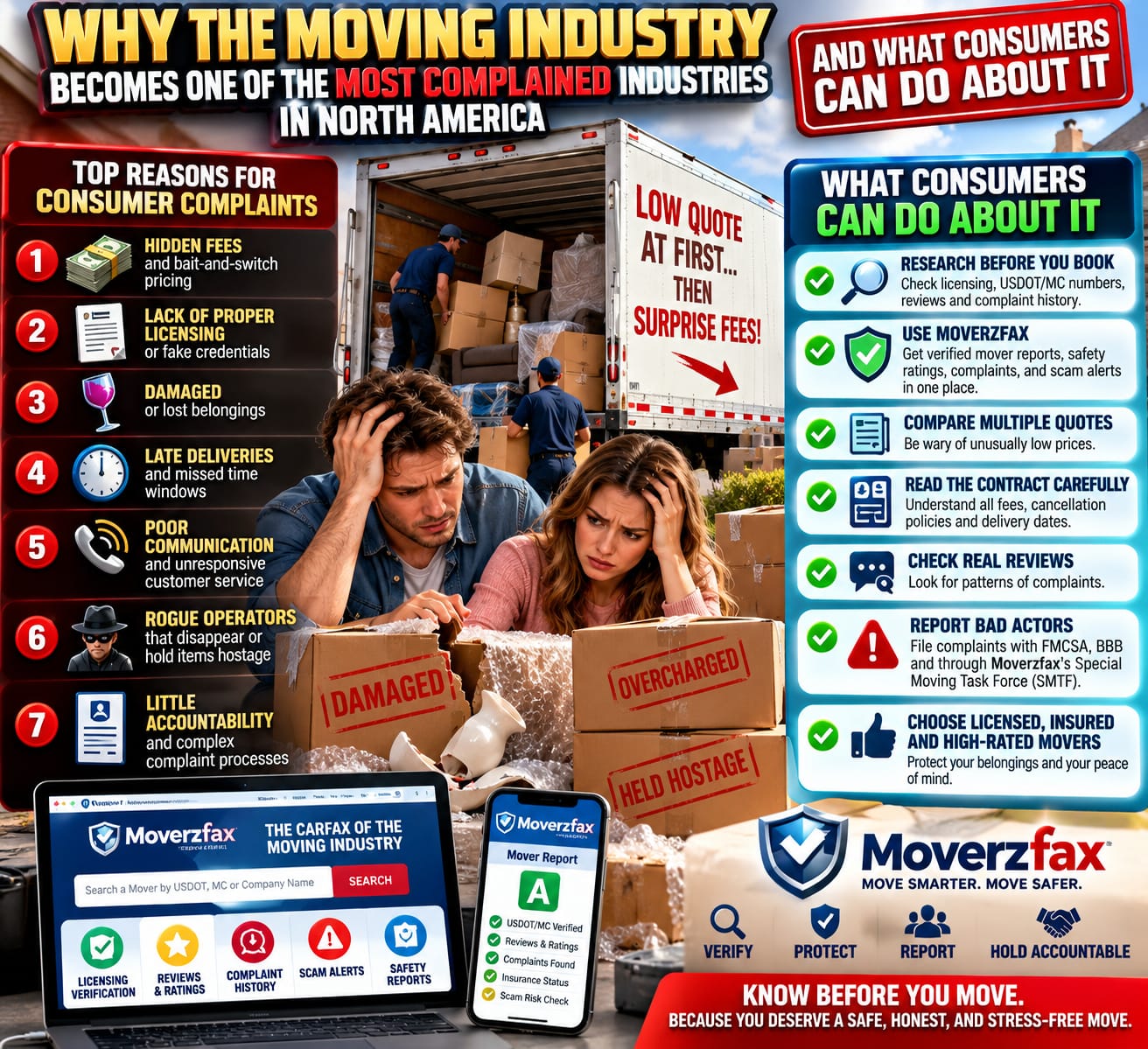
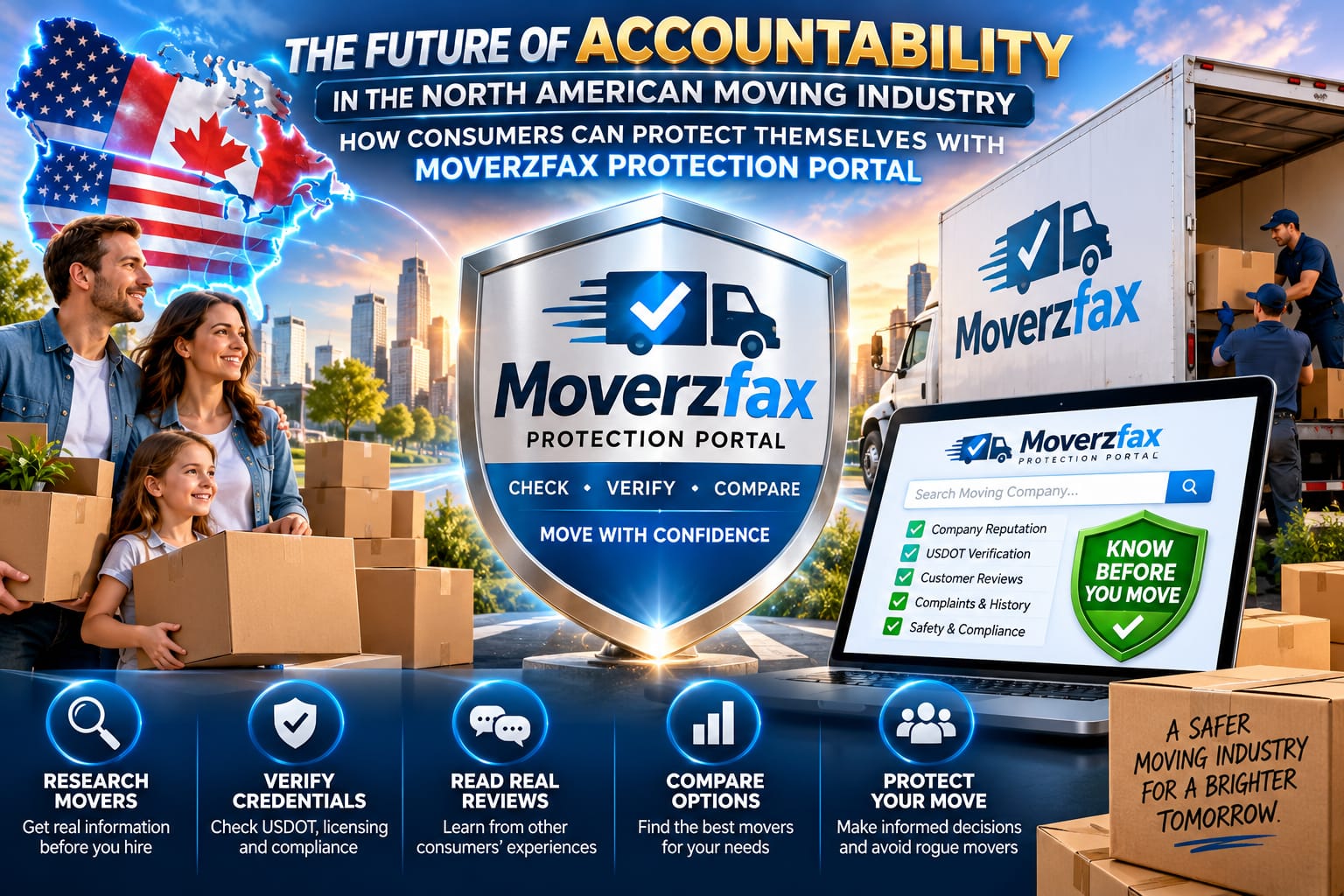
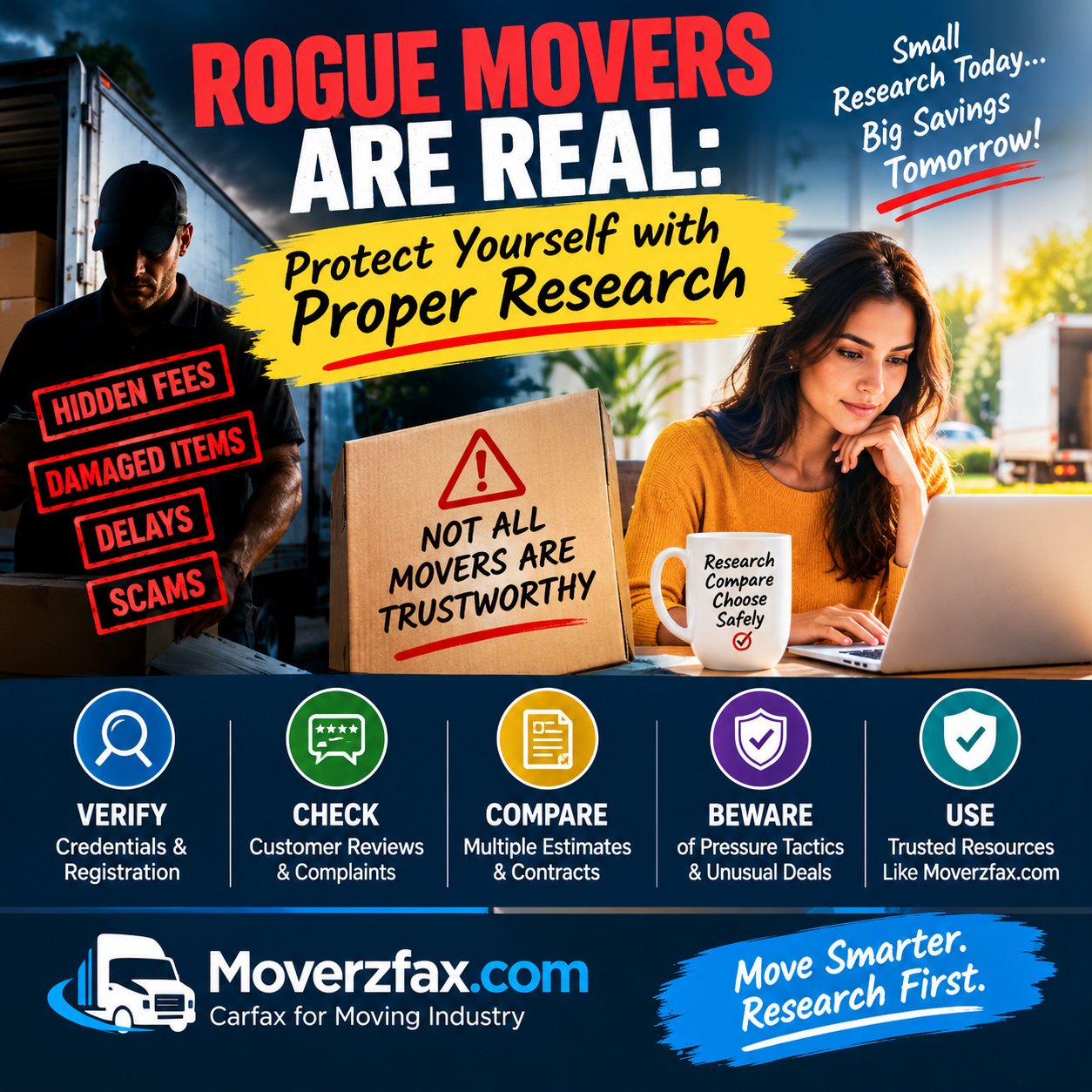
Moverzfax: Because Your Belongings Should Never Become a
Bargaining Tool. Moving is already stressful enough without having to fight to
get your own possessions delivered. Consumers deserve transparent estimates,
honest communication, fair billing practices, and accountability from the companies
they hire. At Moverzfax, our mission is to educate the public, expose
questionable moving practices, and help consumers recognize the warning signs
before they become victims. The more people understand their rights, the harder
it becomes for dishonest operators to take advantage of them.
NOW WE WANT TO HEAR FROM YOU! Have you ever experienced a
moving company demanding thousands of dollars beyond your original estimate?
Were your belongings delayed, withheld, or held hostage over a payment dispute?
Did the company eventually deliver your shipment, or did you have to seek
outside assistance? Share your experience in the comments. Your story could
help another family recognize the warning signs and avoid going through the
same nightmare. Let's bring these experiences into the open and demand greater
transparency and accountability throughout the moving industry.
Moverzfax – Educating Consumers. Exposing Risks. Promoting
Accountability.
#Moverzfax #HostageLoads #MovingScams #RogueMovers
#MovingFraud #ConsumerProtection #MovingIndustry #ProtectYourMove
#KnowYourRights #FMCSA #MovingCompany #InterstateMoving #ConsumerAwareness
#MovingDay #MovingNightmare









No comments published yet. Be the first to share your thoughts below!
Leave a Reply