Too good to be true? Why the cheapest moving estimate could cost you everything

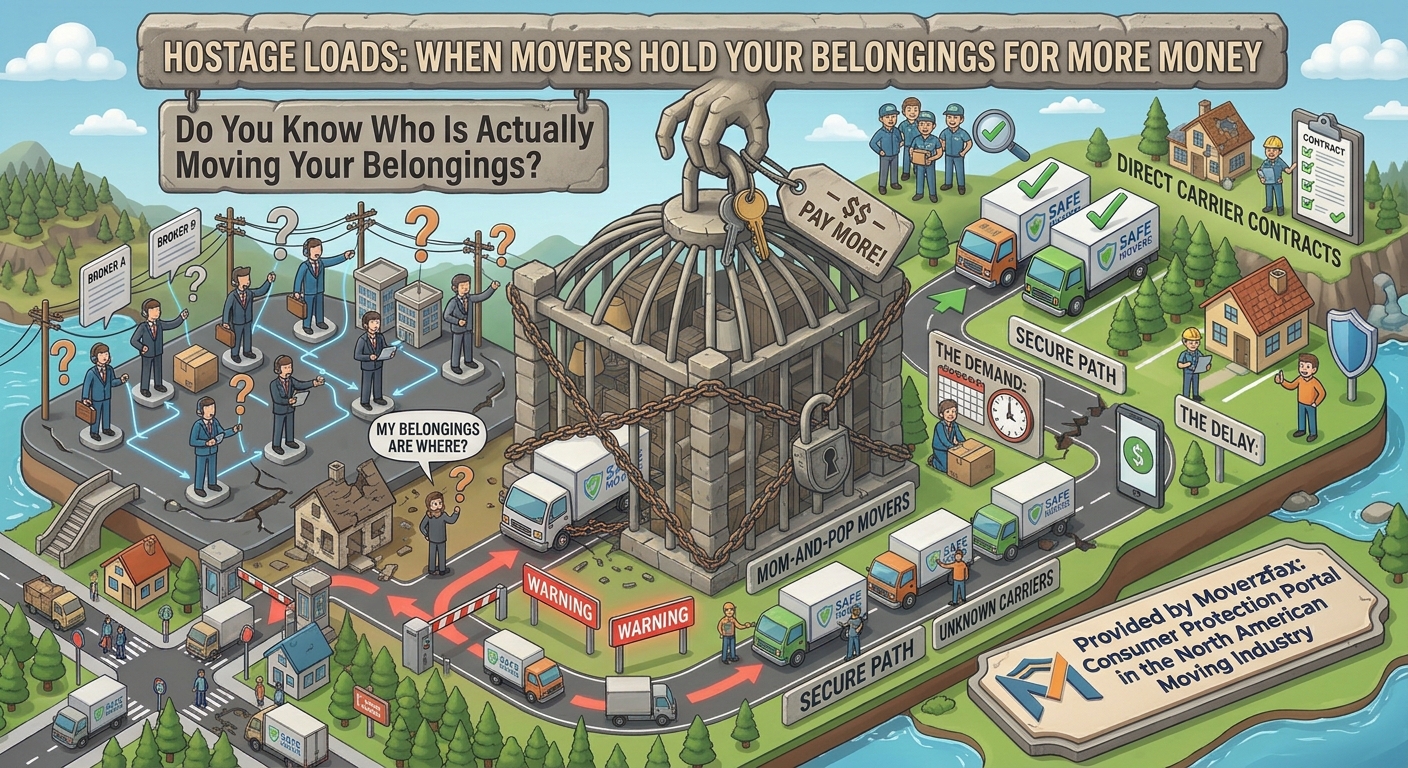
Visual Infographic
Click on the image below to expand and view full size infographic.

You receive a moving estimate for $2,500. Another company quotes $5,000, and a third comes in at $4,700. Naturally, you choose the company offering the lowest price. Why pay more when someone promises to do the same job for half the cost? But imagine what happens when moving day arrives, your furniture is loaded onto the truck, and suddenly that $2,500 estimate becomes $6,500. Welcome to one of the most concerning pricing tactics consumers should understand before hiring a moving company.
The moving industry is competitive, and consumers naturally shop around for the best price. Unfortunately, some unscrupulous operators understand this and use artificially low estimates to attract customers who might otherwise choose a more reputable company. The strategy can be simple: offer an unbelievably attractive price, secure the customer's deposit, get the belongings loaded, and then introduce additional charges that dramatically increase the final bill. By that point, the customer may have already arranged time off work, scheduled a home closing, booked travel, or committed to a delivery date. Walking away suddenly feels almost impossible.
The $2,500 Estimate That Became a $7,000 Nightmare. Imagine
a family relocating from
How Does the Low-Ball Estimate Strategy Work? It often begins with a sales representative who knows exactly what customers want to hear. The representative may provide a quick estimate over the telephone, without properly reviewing the household inventory or conducting an appropriate survey. Important details about stairs, elevators, packing services, long carries, shipment size, and other potential charges may receive little attention. The initial price is designed to win the booking, not necessarily to reflect the full cost of the move. Once the customer has committed, additional charges may begin appearing. While legitimate changes in inventory, requested services, and actual shipment weight can affect moving costs, consumers should be concerned when the original estimate was deliberately misleading, important charges were concealed, or explanations are inconsistent with the written agreement.
The Moving-Day Pressure Tactic. Now imagine that your entire household has been loaded onto a truck. Your old home is empty, your new home is waiting, and you have a deadline to complete the relocation. Suddenly, the company demands significantly more money. You question the increase, but the representative tells you that the shipment cannot proceed without accepting the revised price. This is where a pricing dispute can become particularly alarming. Some consumers may feel pressured into paying simply because they fear losing access to their belongings. In serious cases, disputes can escalate into hostage-load situations. Consumers should understand that federal regulations provide specific protections for qualifying interstate household goods moves, including rules governing binding and non-binding estimates and payment required at delivery.
How to Protect Yourself From Low-Ball Moving Estimates.
First, never choose a mover based solely on the lowest price. If one estimate
is dramatically below the others, ask why. Request a proper physical or virtual
survey of your belongings and make sure the inventory is accurate. Understand
whether your estimate is binding or non-binding, what services are included,
and which additional charges could apply. Ask about packing materials, stairs,
elevators, long carries, shuttle services, storage, and other potential
expenses. Get every important promise in writing, read your contract carefully,
and verify the actual carrier's identity and credentials. For interstate moves
in the
Moverzfax: Because Consumers Deserve Honest Estimates, Not Financial Surprises. Moving is already expensive, and families should not have to worry about whether the price they agreed to will suddenly double once their belongings are loaded. At Moverzfax, our mission is to educate consumers, expose questionable moving practices, and promote transparency and accountability throughout the North American moving industry. We believe that honest pricing, clear contracts, and responsible business practices should be the foundation of every professional relocation.
NOW WE WANT TO HEAR FROM YOU! Have you ever received an unbelievably low moving estimate only to discover that the final price was significantly higher? Did the company introduce unexpected charges on moving day, demand additional payment before delivery, or claim that important services were never included? Share your experience in the comments. Tell others what happened, what warning signs you missed, and what you wish you had known before booking. Your experience could help another family avoid the same financial nightmare.
Moverzfax – Educating Consumers. Exposing Risks. Promoting Accountability.
#Moverzfax #MovingScams #LowBallEstimates #RogueMovers #MovingFraud #ConsumerProtection #MovingIndustry #MovingCompany #HiddenMovingCosts #ProtectYourMove #MovingDay #KnowYourRights #FMCSA #ConsumerAwareness #InterstateMoving
Check Mover Legitimacy
Before hiring any mover, verify their USDOT registration and safety history report.
Search Mover NowRecent Articles























No comments published yet. Be the first to share your thoughts below!
Leave a Reply