Combating Rogue and Unethical Movers: The U.S. Department of Transportation’s Fight to Protect Consumers
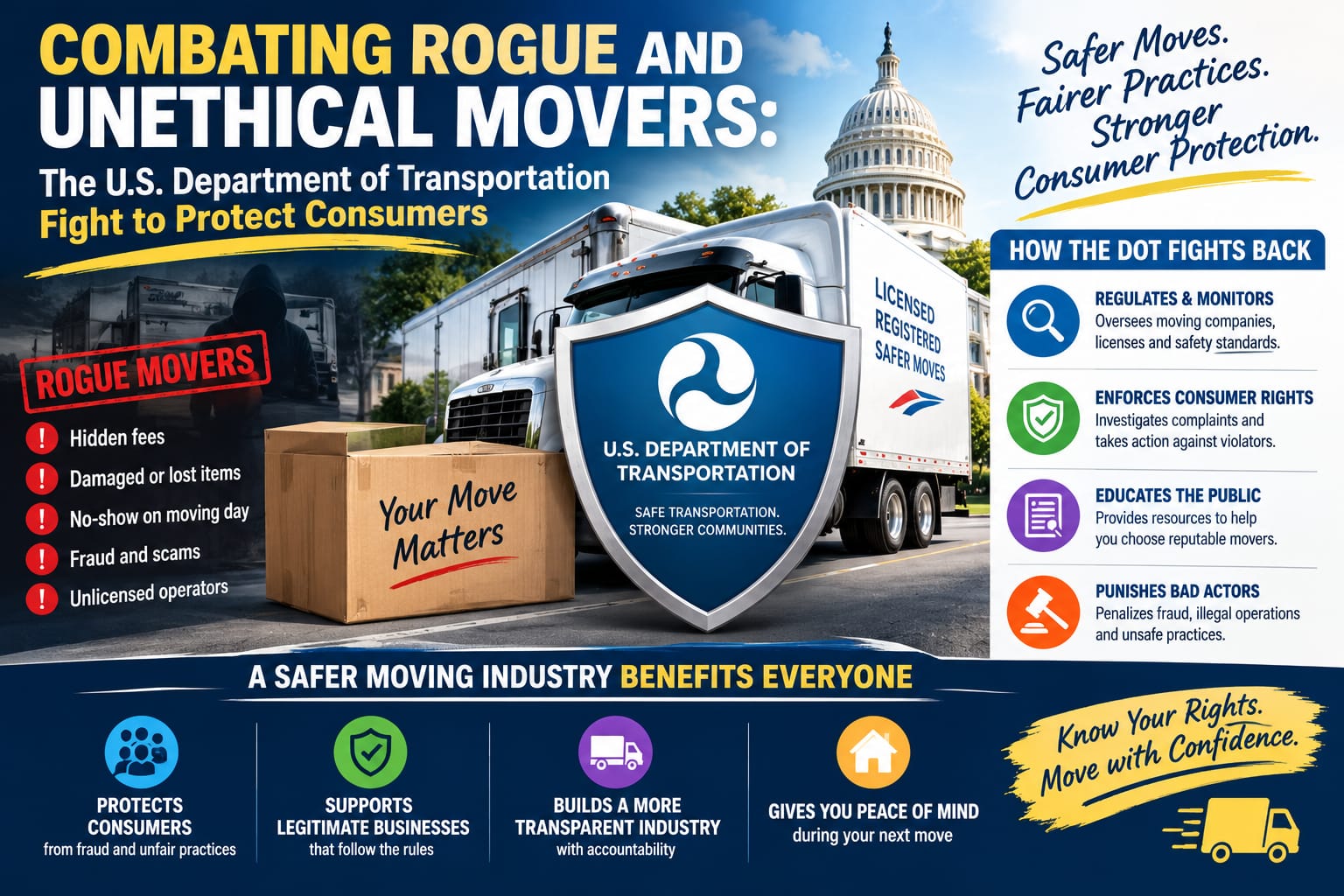
Visual Infographic
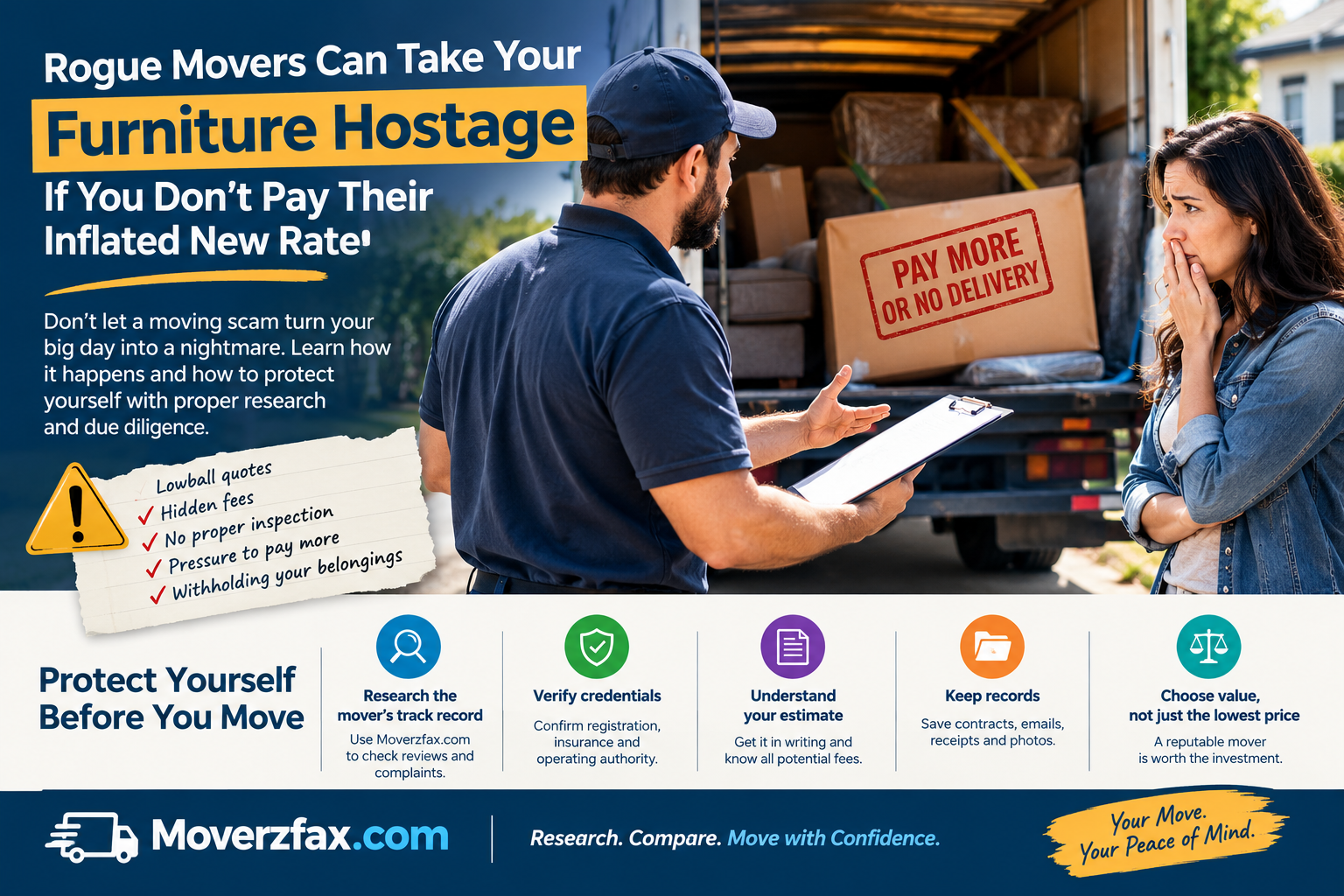
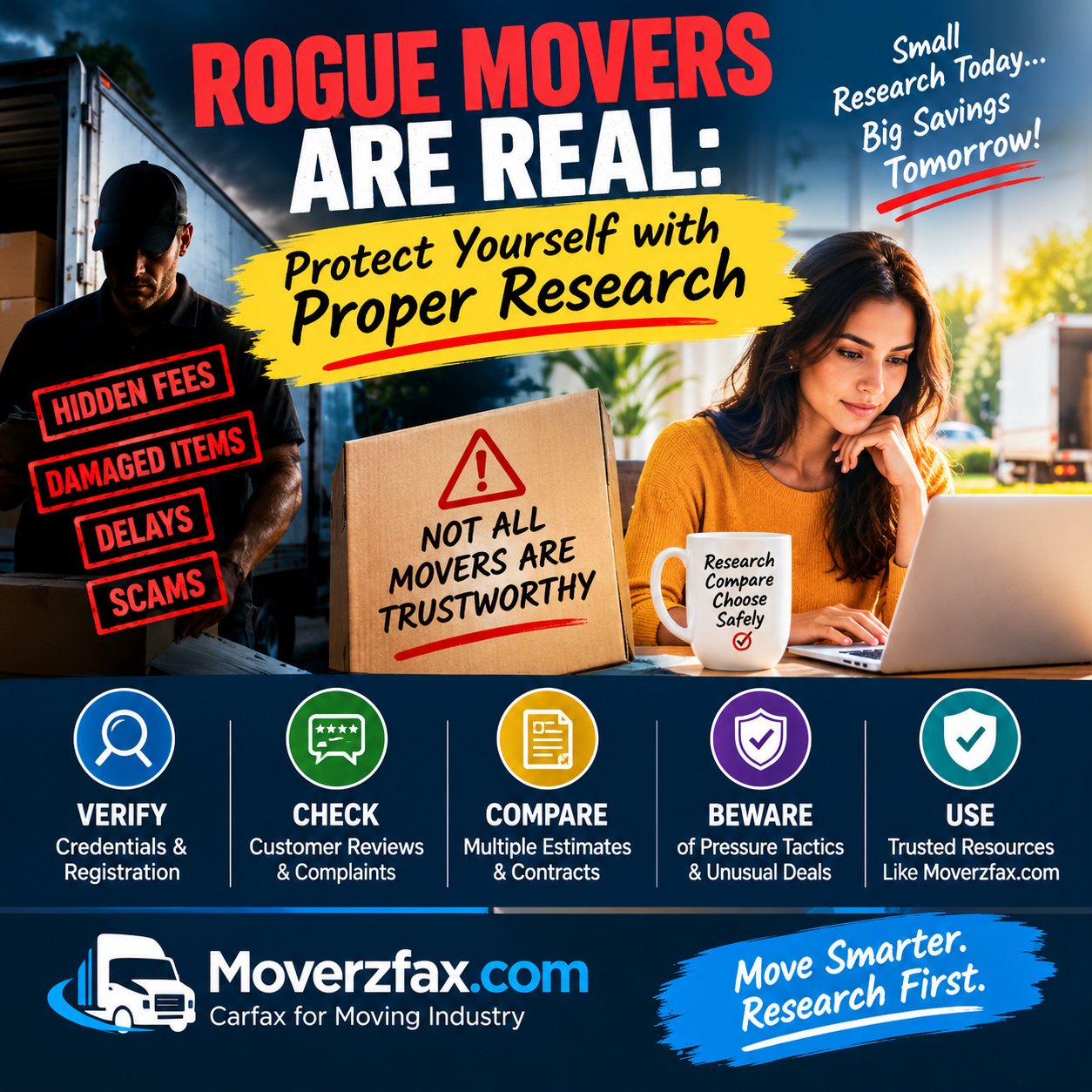
Click on the image below to expand and view full size infographic.
Combating Rogue and Unethical Movers: The U.S. Department of Transportation’s Fight to Protect Consumers
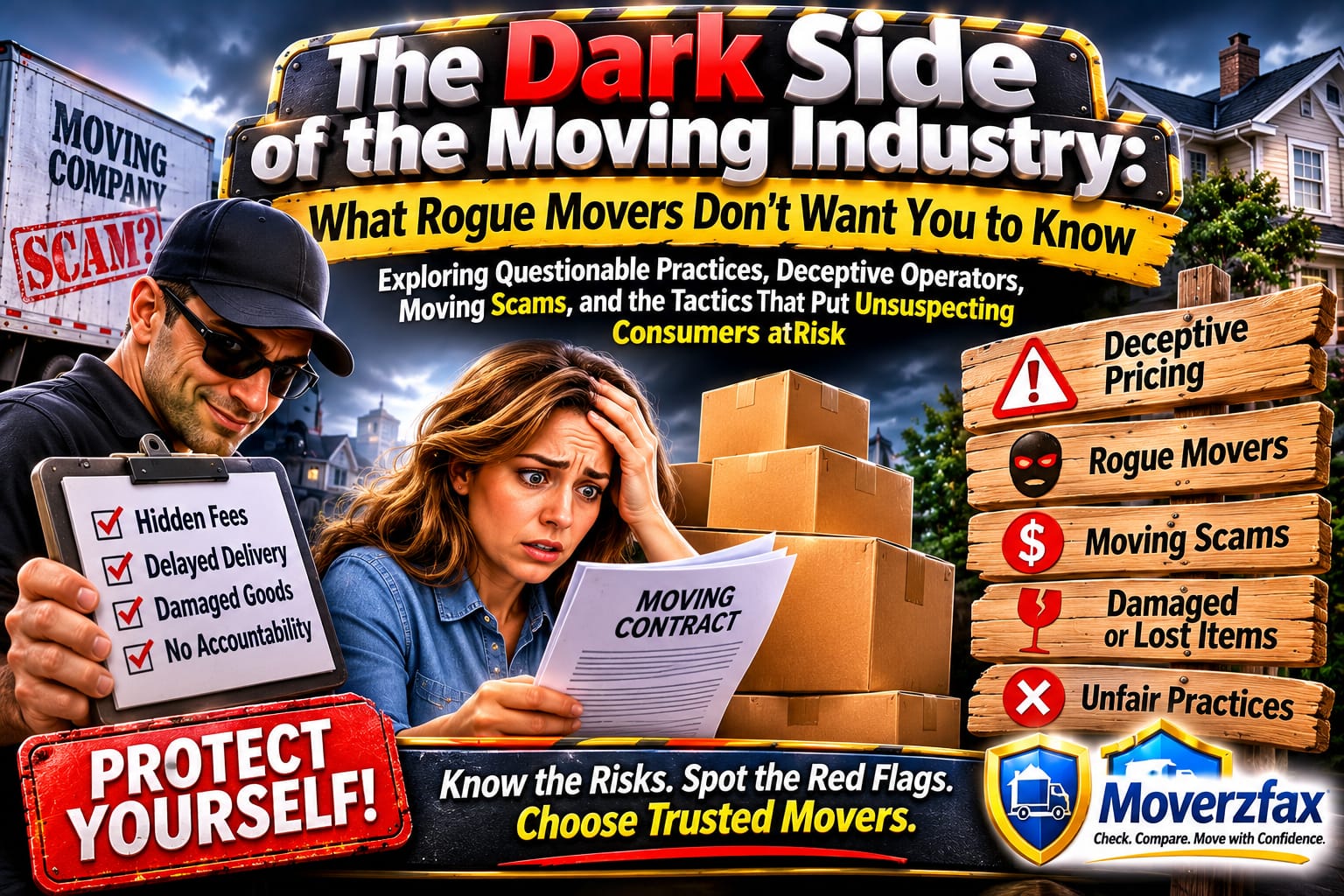
The North American moving industry plays a critical role in helping families and businesses relocate safely and efficiently. However, alongside reputable moving companies, rogue operators and unethical brokers continue to threaten consumer confidence through deceptive pricing, hidden fees, shipment delays, and, in severe cases, the unlawful withholding of household belongings.
In the United States, the Department of Transportation (DOT), primarily through its Federal Motor Carrier Safety Administration (FMCSA), is working to address these challenges through enforcement, regulatory oversight, interagency cooperation, and consumer education. Despite these efforts, eliminating moving fraud remains a complex task.
The Growing Challenges of Rogue Movers
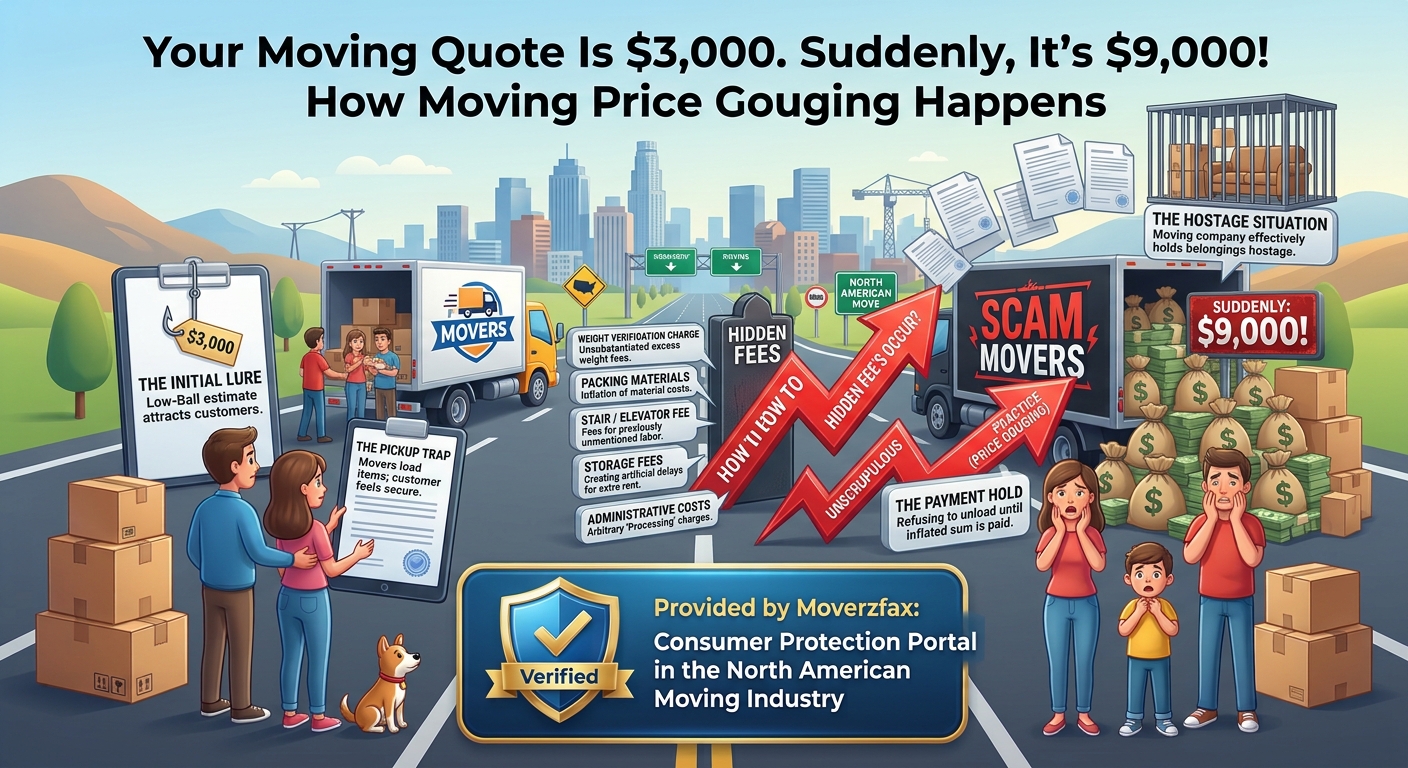
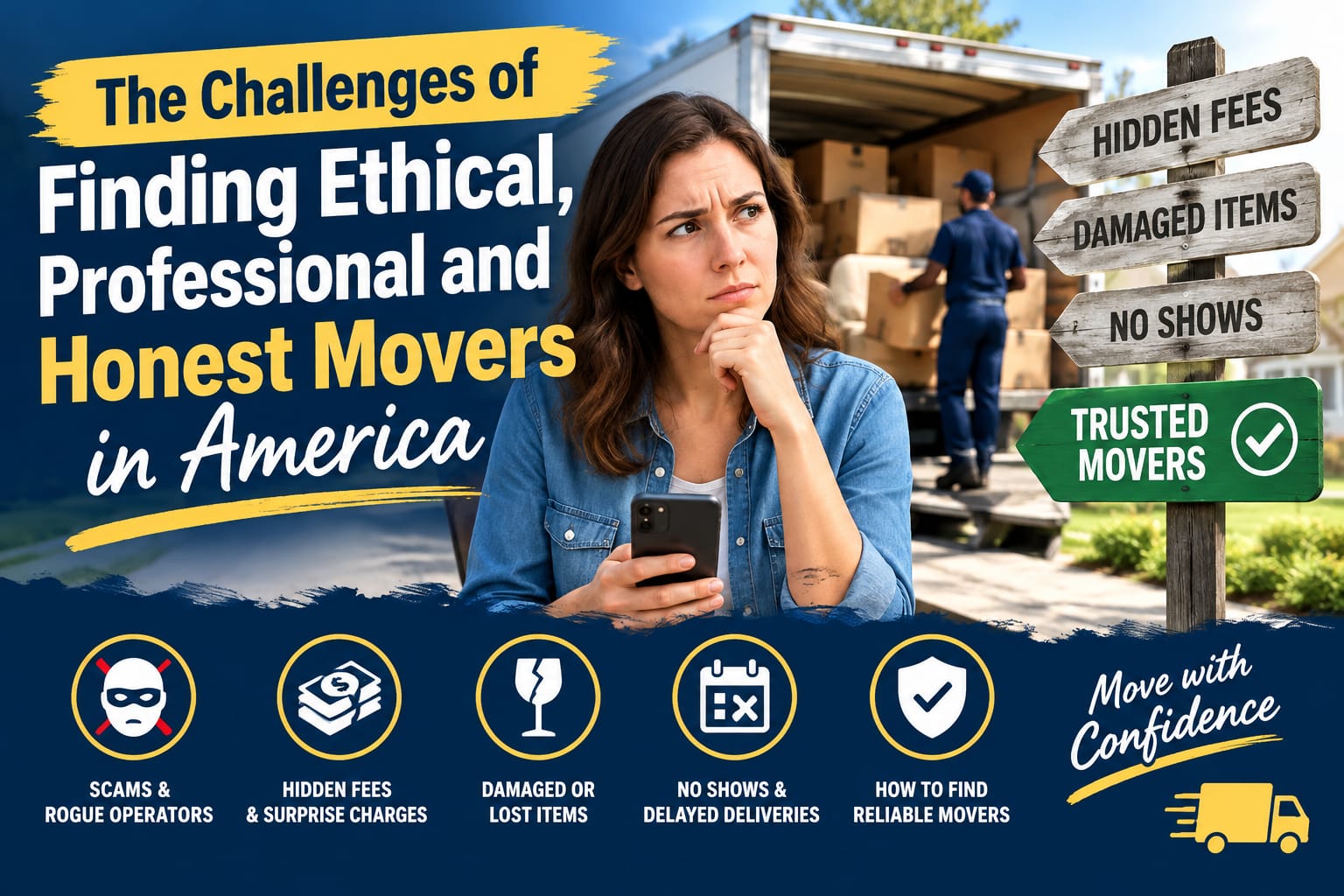
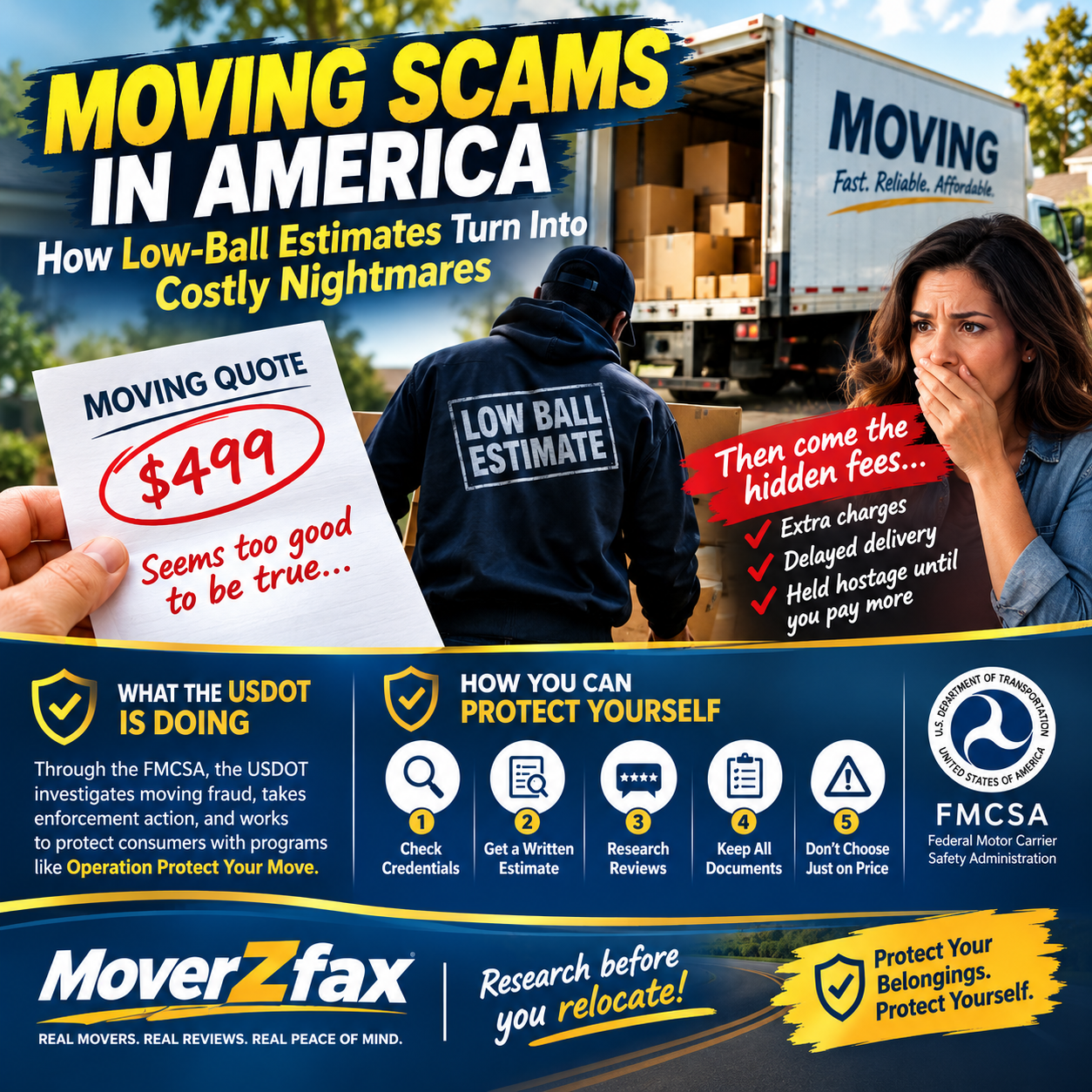
One of the most damaging practices in the industry is the so-called hostage load. In these cases, a moving company collects a customer’s belongings and subsequently demands substantially more money than expected before releasing the shipment. For families facing tight relocation deadlines, the financial and emotional consequences can be significant.
Other common problems include unrealistically low estimates that increase after belongings have been loaded, misleading advertising, inadequate insurance, unauthorized operations, and brokers that misrepresent their role in the moving process. Consumers may believe they have hired a direct moving company, only to discover that their shipment has been transferred to another operator.
These practices are particularly difficult to combat because moving companies and brokers may operate across state lines, use different business names, or conduct transactions remotely. Consumers can struggle to verify a company's legitimacy before committing to a move, while enforcement agencies must gather evidence across multiple jurisdictions.
Although the FMCSA regulates interstate household goods transportation, intrastate moving services are generally subject to state and local rules. This division of responsibility creates additional challenges when complaints involve multiple locations or different regulatory authorities.
How the Department Is Responding
A central component of the federal response is the FMCSA’s Operation Protect Your Move, a nationwide enforcement initiative targeting moving companies and brokers with serious complaint histories or safety deficiencies. In 2023, investigators conducted enforcement activities in 16 states, followed by another operation across 17 states in 2024. These initiatives specifically addressed reports of movers holding household goods hostage for excessive payments.
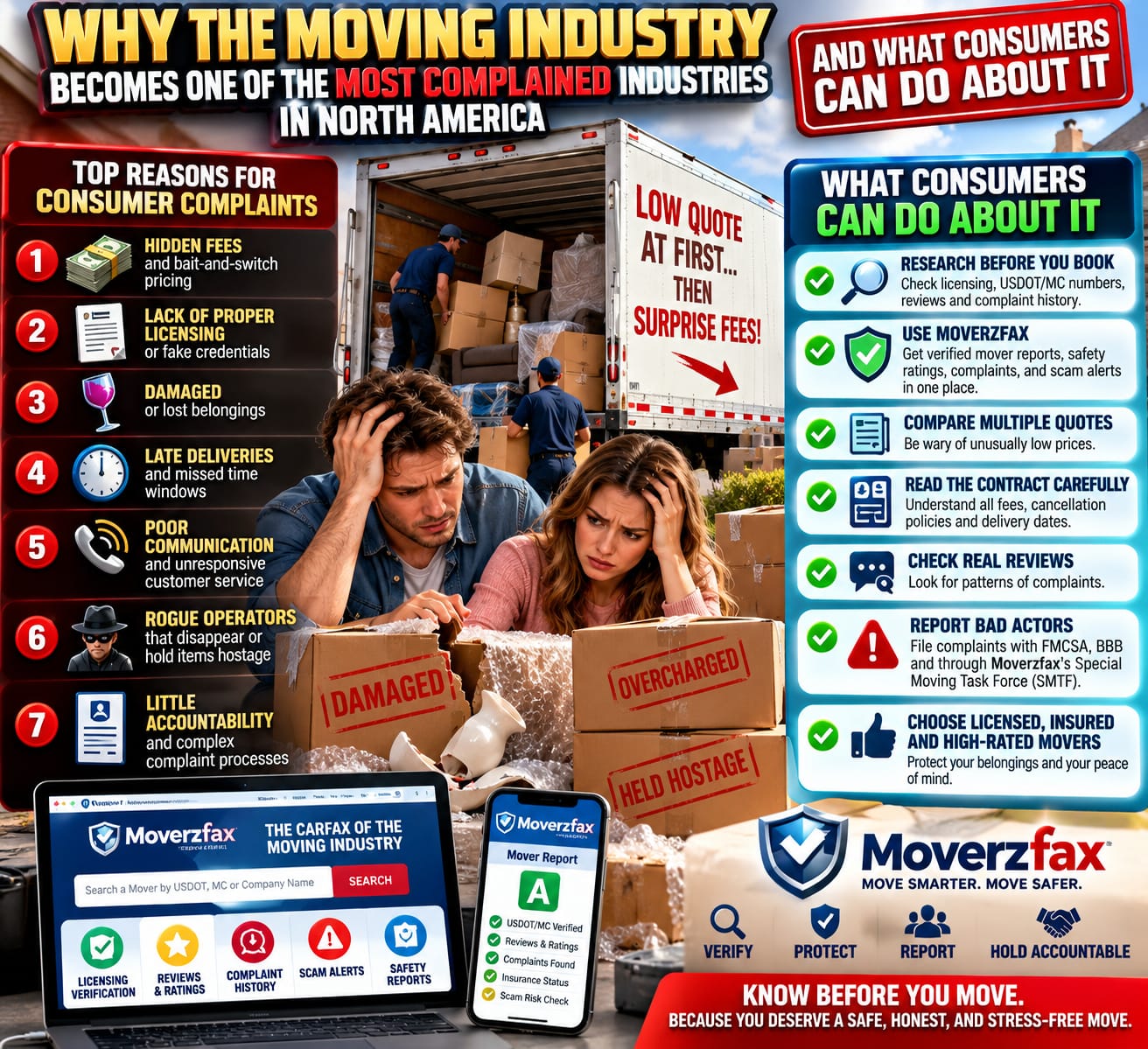
The FMCSA also uses its National Consumer Complaint Database to identify patterns of alleged misconduct and help guide enforcement priorities. Consumers can check a mover’s registration and complaint history before hiring a company, while complaints submitted to the agency become part of the company’s record and may support further action.For more serious cases, the Department of Transportation’s Office of Inspector General (OIG) investigates suspected intentional fraud and criminal violations. The OIG works alongside other law enforcement authorities, including federal investigators and state officials, to pursue cases involving deceptive estimates, falsified shipment weights, fraudulent documents, and extortionate demands for payment. Consumer education is another important part of the strategy. Through the Protect Your Move website, the government provides guidance on selecting registered movers, understanding written estimates, distinguishing movers from brokers, reviewing liability coverage, and reporting suspected fraud. Federal rules also establish disclosure and documentation requirements intended to improve transparency and protect consumers during interstate moves.
The Road Ahead: Stronger Accountability and Industry Cooperation
Despite these measures, enforcement remains challenging. Fraudulent operators can rebrand, exploit gaps in consumer awareness, and move between jurisdictions. Investigations require evidence, coordination, and resources, while regulatory authority differs between interstate and intrastate moves.
Addressing these problems will require continued cooperation among federal agencies, state attorneys general, consumer protection organizations, and legitimate moving companies. Better complaint reporting, faster identification of repeat offenders, stronger oversight of brokers, and consistent enforcement can help reduce opportunities for abuse.
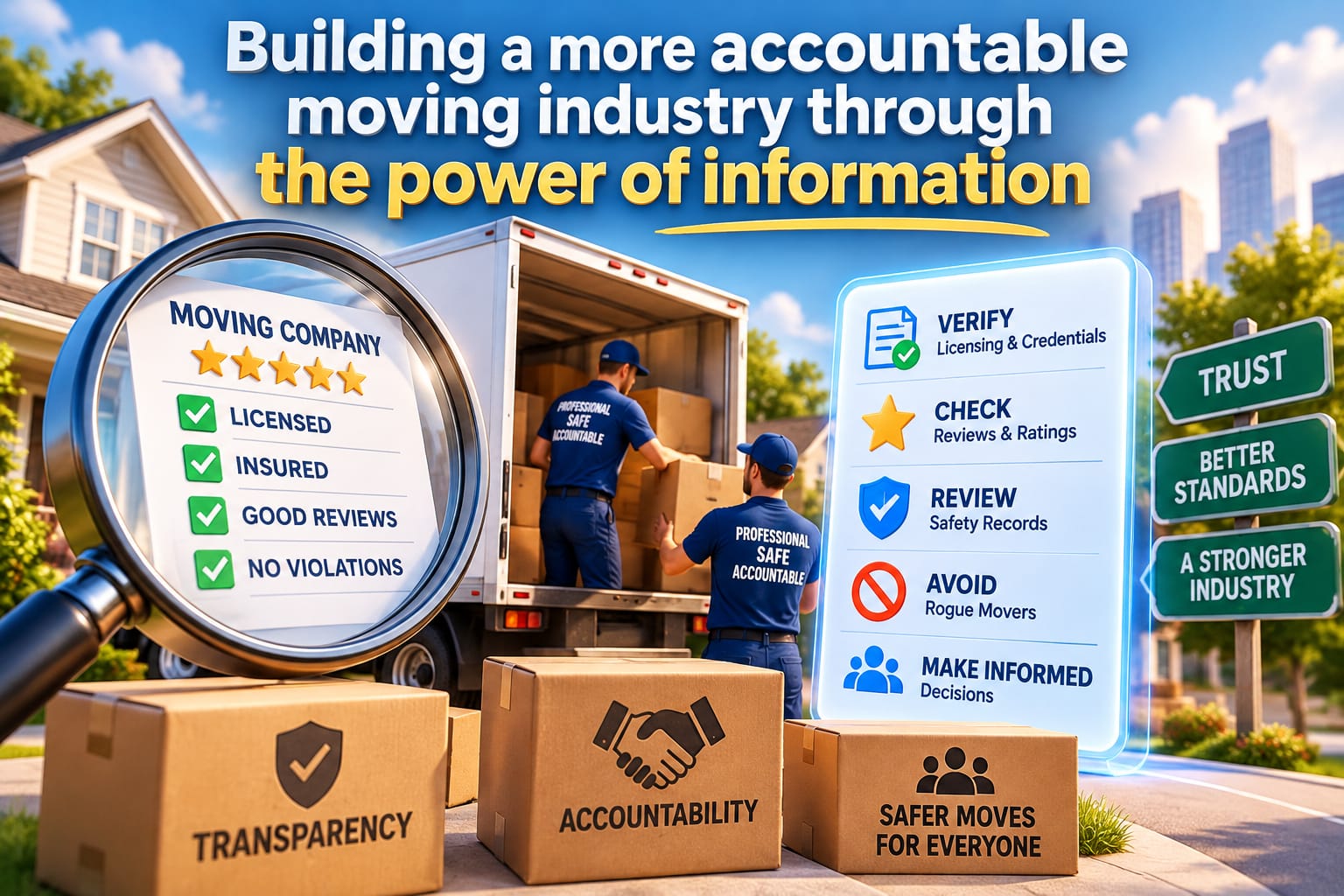
Consumers also have an important role. Verifying federal registration, comparing written estimates, researching complaint histories, and keeping copies of contracts and payment records can help prevent fraud and support investigations when misconduct occurs.
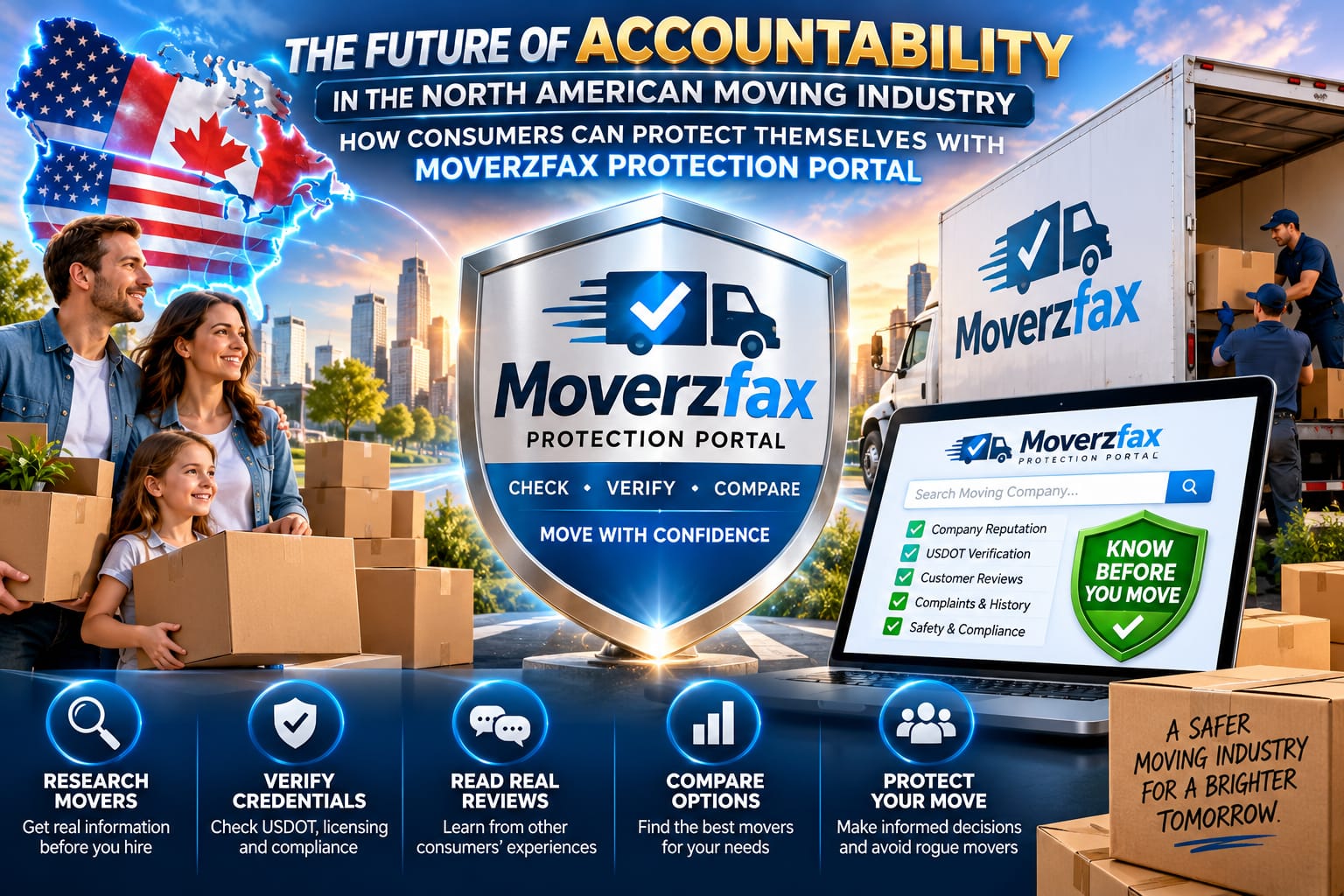
Ultimately, protecting the moving industry requires more than penalizing dishonest operators. It requires building a marketplace in which transparency, accountability, and professional conduct are the norm. The U.S. Department of Transportation has established important tools to confront rogue movers, but sustained enforcement and informed consumer participation remain essential to restoring trust and protecting families across North America.
Check Mover Legitimacy
Before hiring any mover, verify their USDOT registration and safety history report.
Search Mover NowRecent Articles




No comments published yet. Be the first to share your thoughts below!
Leave a Reply