Your belongings are missing, damaged, or held hostage. What are your rights?

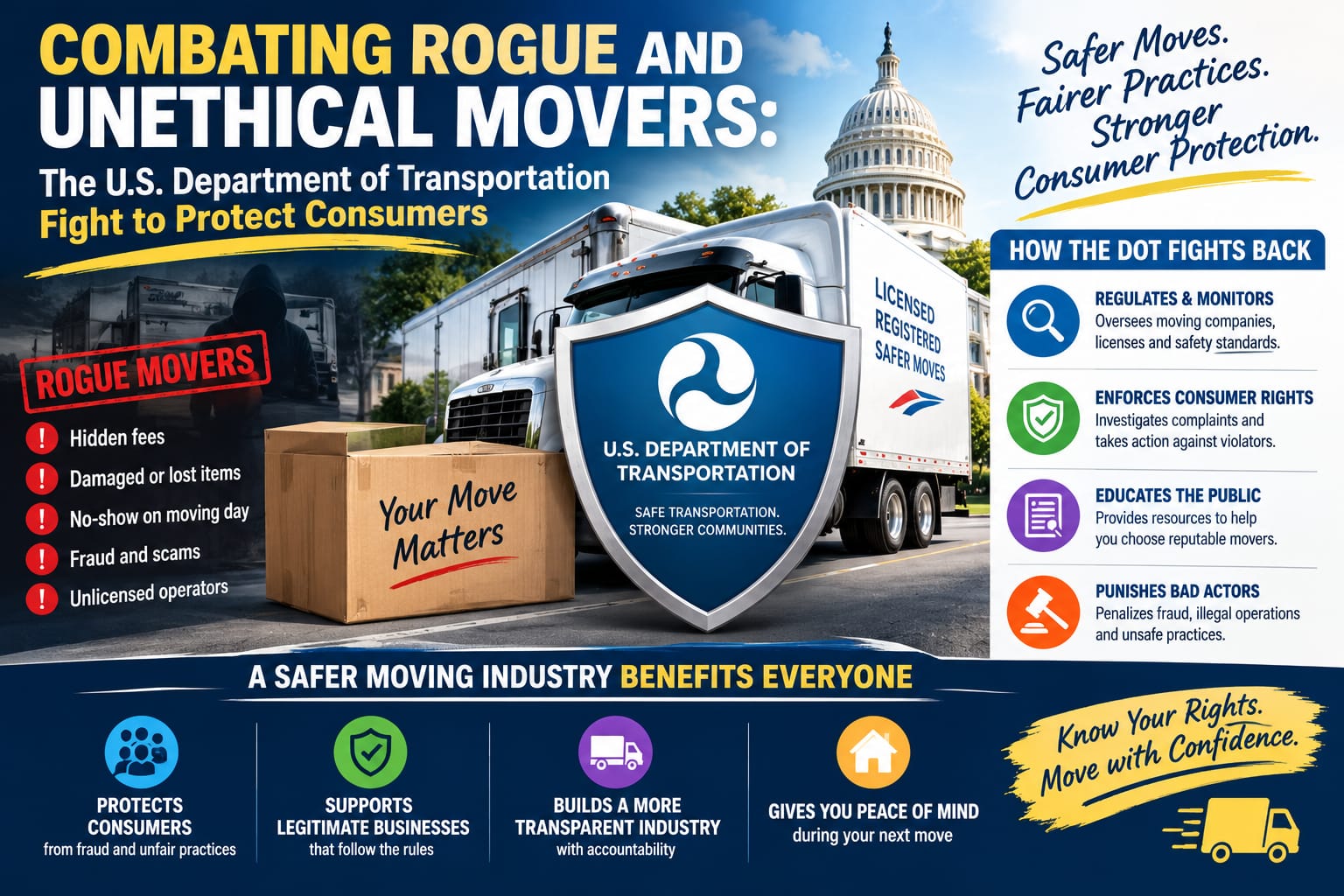
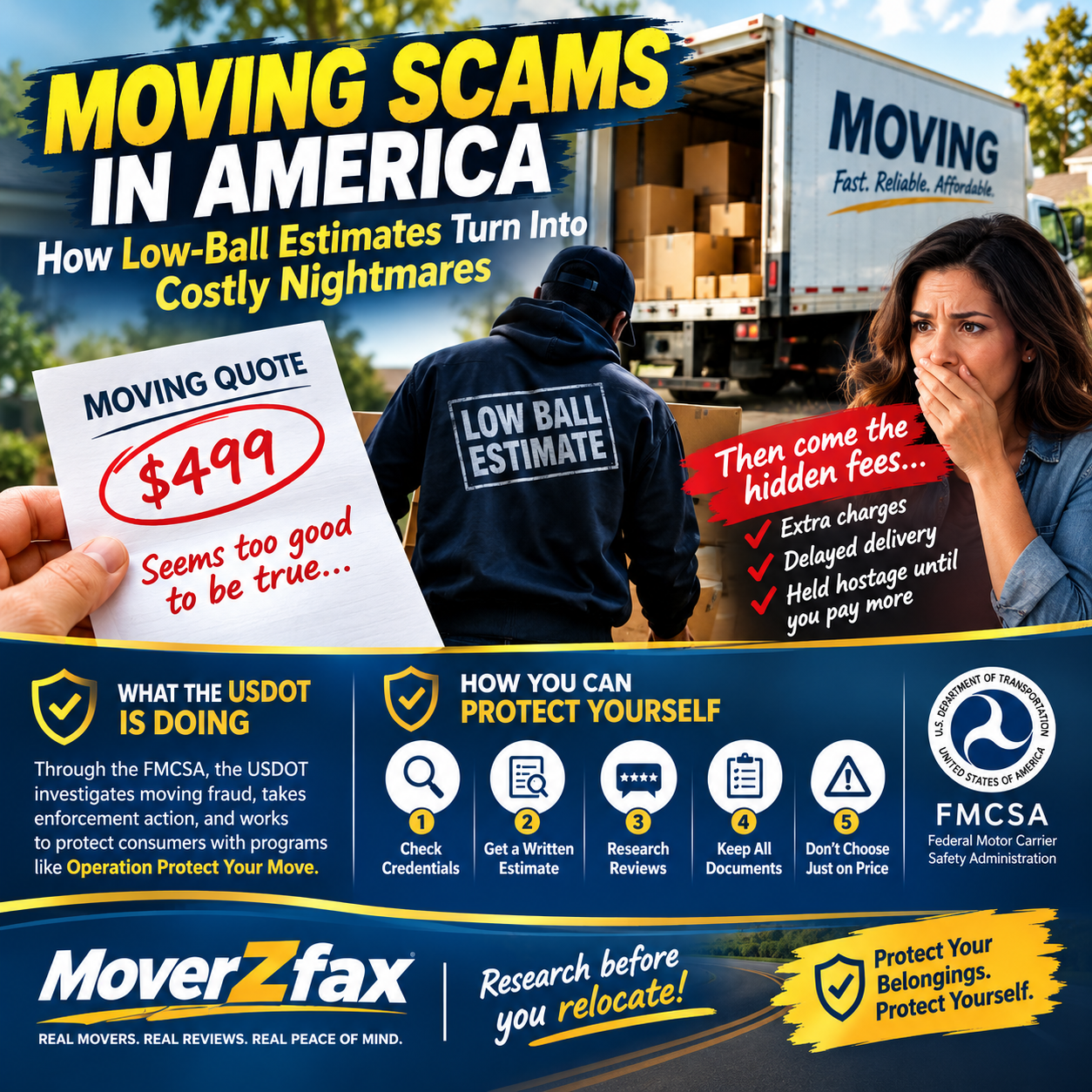
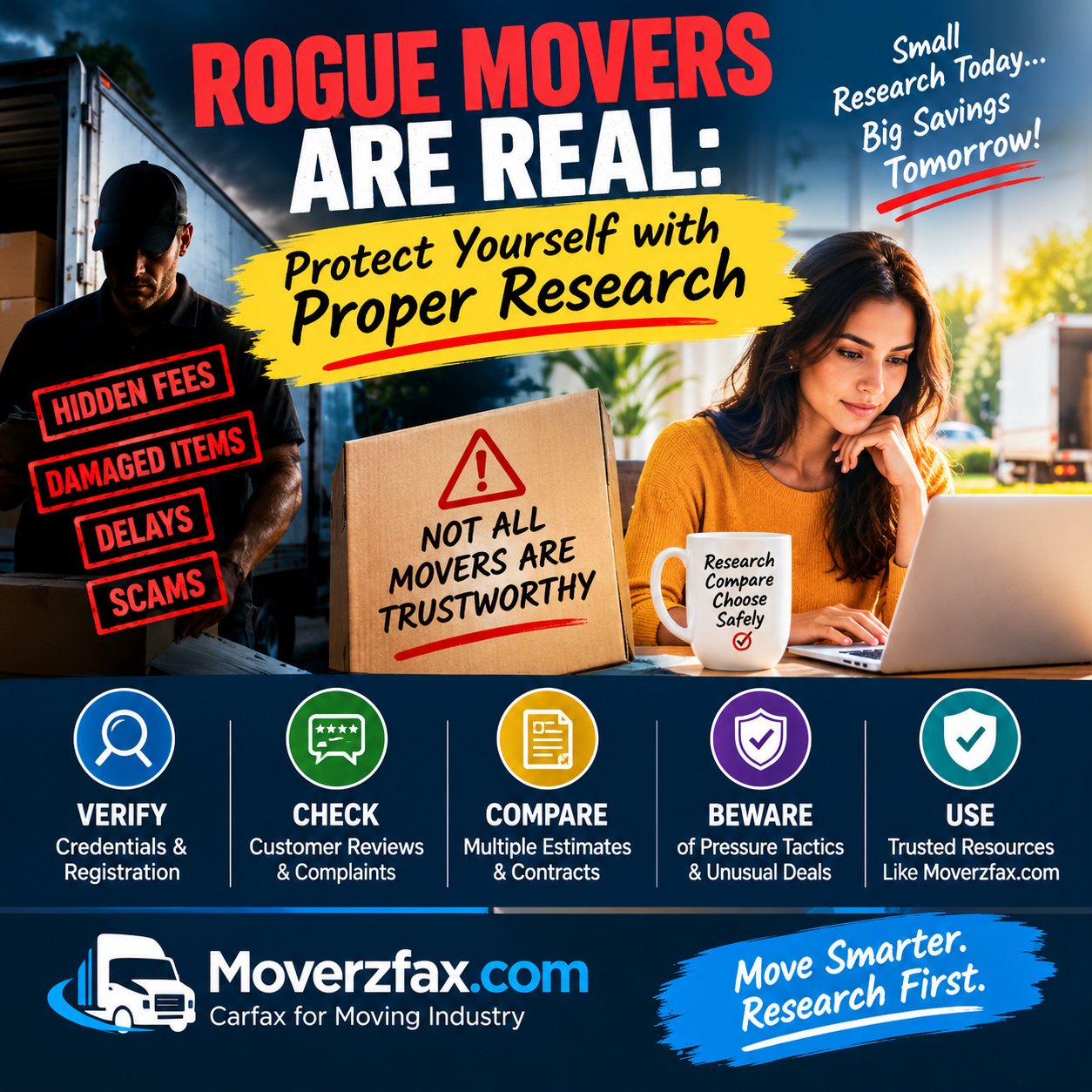
Visual Infographic
Click on the image below to expand and view full size infographic.

Imagine opening the doors of your new home, expecting to see everything you packed and trusted a moving company to deliver. But something is wrong. Several boxes are missing, your expensive furniture is damaged, and the moving company is suddenly difficult to reach. Or worse, you receive a phone call demanding thousands of dollars in additional payment before your belongings will be released. What do you do? Who is responsible? And what rights do you actually have as a consumer? For many families, moving day is supposed to mark the beginning of an exciting new chapter. Unfortunately, when a moving company fails to deliver on its promises, that excitement can quickly turn into frustration, financial loss, and an emotional nightmare. Understanding your rights and knowing what steps to take can make a significant difference when something goes wrong.
SCENARIO 1: Your Belongings Never Arrive. Imagine a family
relocating from
SCENARIO 2: Your Furniture Arrives Damaged. A homeowner moves across state lines and eagerly waits for a carefully packed household shipment. When the truck arrives, the dining table has scratches, a bedroom dresser is broken, and several boxes appear to have been crushed. The crew is ready to leave, but the homeowner has not yet documented the damage. This is a mistake consumers should avoid. Photograph damaged items immediately, document missing or damaged inventory on the delivery paperwork, and retain copies of everything. Do not discard broken pieces or damaged packaging until you have documented the condition. For interstate moves, consumers generally have the right to file claims for loss or damage under the applicable carrier liability and valuation rules. However, the amount of protection depends on the coverage selected and the circumstances of the loss.
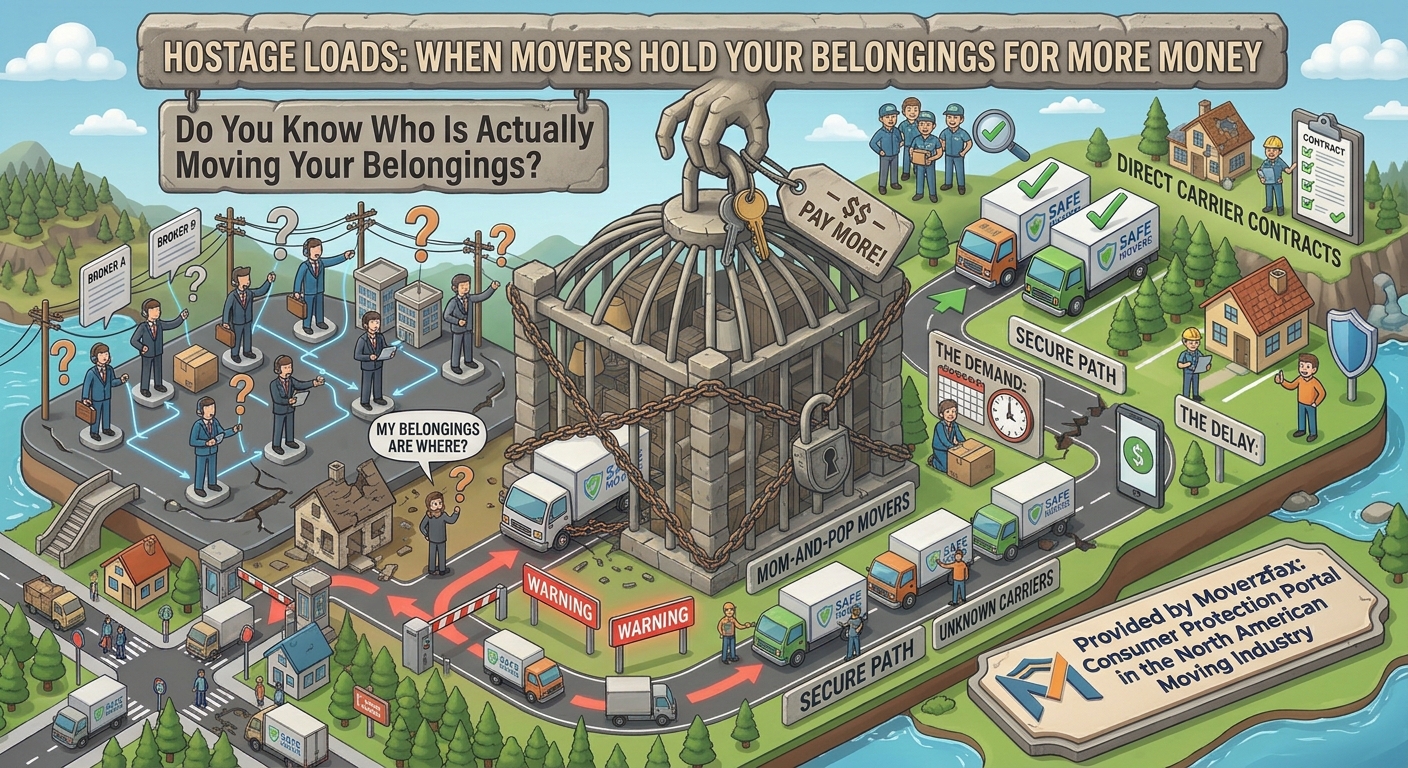
SCENARIO 3: Your Belongings Are Being Held Hostage. Perhaps
the most frightening situation occurs when a moving company refuses to release
your belongings unless you pay significantly more than expected. Imagine
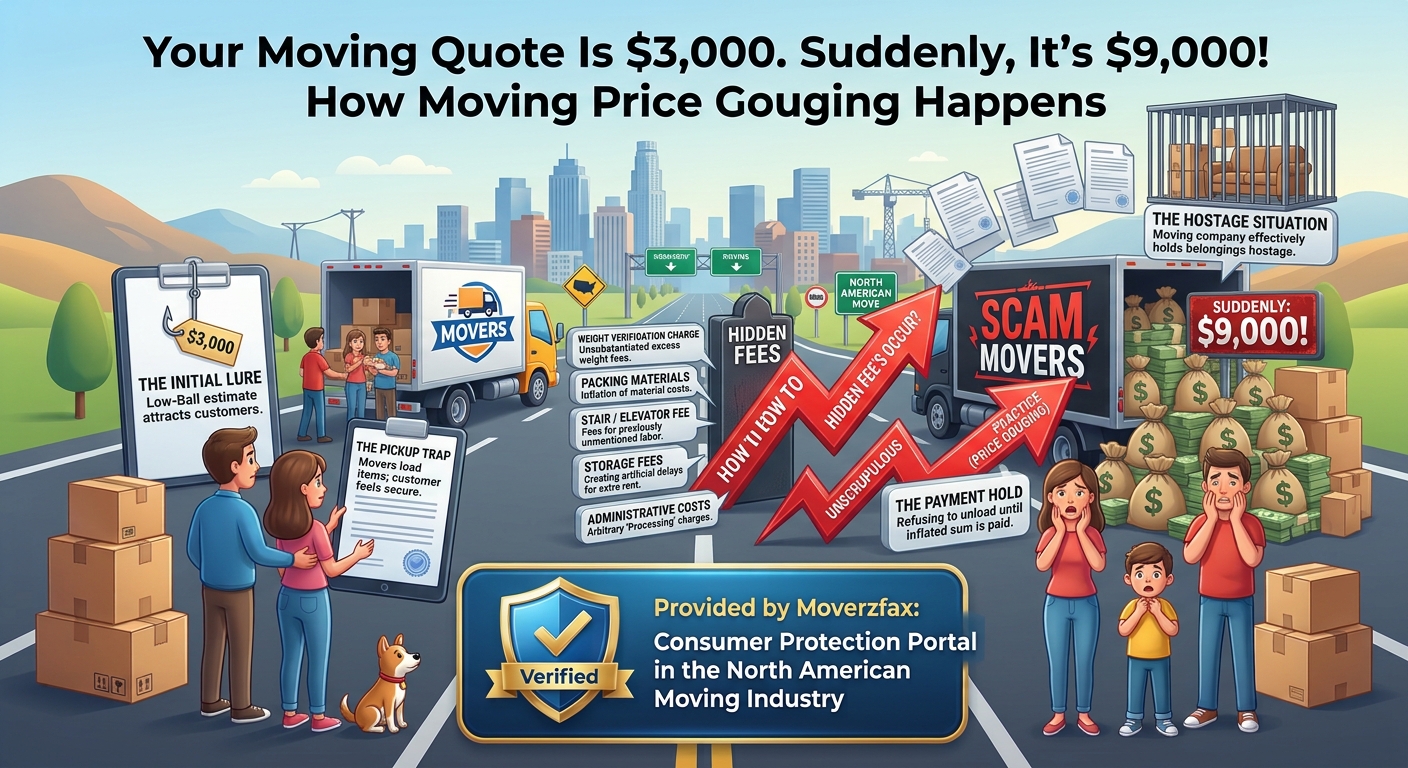
receiving an original estimate of $4,000, only to be told that delivery now
requires $8,000. Your furniture, clothing, household essentials, and personal
possessions are on the truck, and the company insists that nothing will be
delivered until the additional payment is made. This may be a hostage-load
situation. For qualifying interstate household goods moves in the
WHAT SHOULD YOU DOCUMENT WHEN SOMETHING GOES WRONG? Whether your shipment is missing, damaged, delayed, or being withheld, documentation is your strongest ally. Keep your original estimate, signed contract, bill of lading, inventory sheets, payment receipts, photographs, emails, text messages, and records of telephone conversations. Write down dates, times, names of representatives, amounts demanded, and explanations provided by the company. If the mover makes promises over the telephone, request confirmation in writing. Never rely solely on verbal assurances when a dispute is developing.
HOW DO YOU FILE A CLAIM OR COMPLAINT? For interstate moves
in the
If you believe the company has violated federal moving regulations, you can also file a complaint with the FMCSA through https://www.fmcsa.dot.gov/protect-your-move or call 1-888-DOT-SAFT (1-888-368-7238). Consumers can additionally contact their state Attorney General, state consumer protection office, or local law enforcement when fraud, threats, or other potentially criminal conduct is suspected. For Canadian relocations and local or intrastate moves, different provincial, territorial, state, or local rules may apply.
MOVERZFAX: YOUR RIGHTS MATTER, AND YOUR VOICE MATTERS. Moving companies should be held accountable for their contractual obligations and applicable consumer protection requirements. Consumers deserve honest communication, responsible handling of their possessions, transparent pricing, and a fair process when something goes wrong. At Moverzfax, our mission is to educate the public, expose questionable moving practices, and promote greater transparency and accountability throughout the North American moving industry. We believe that knowing your rights should never be an afterthought. It should be part of every consumer's preparation before moving day.
NOW WE WANT TO HEAR FROM YOU! Have you ever received your belongings damaged, discovered that boxes were missing, experienced an unreasonable delivery delay, or had a moving company demand additional money before releasing your shipment? How did you handle the situation? Did the company resolve the problem, or did you have to seek outside assistance? Share your experience in the comments. Tell others what happened, what you learned, and what you wish you had known beforehand. Your story could help another family recognize the warning signs and protect their belongings.
Moverzfax – Educating Consumers. Exposing Risks. Promoting Accountability.
#Moverzfax #MovingScams #HostageLoads #DamagedBelongings #MissingItems #ConsumerProtection #RogueMovers #MovingFraud #MovingCompany #KnowYourRights #FMCSA #MovingClaims #ProtectYourMove #ConsumerAwareness #MovingIndustry
Check Mover Legitimacy
Before hiring any mover, verify their USDOT registration and safety history report.
Search Mover NowRecent Articles











No comments published yet. Be the first to share your thoughts below!
Leave a Reply