Why the moving industry has become one of the most complained-about industries—and what consumers can do about it.
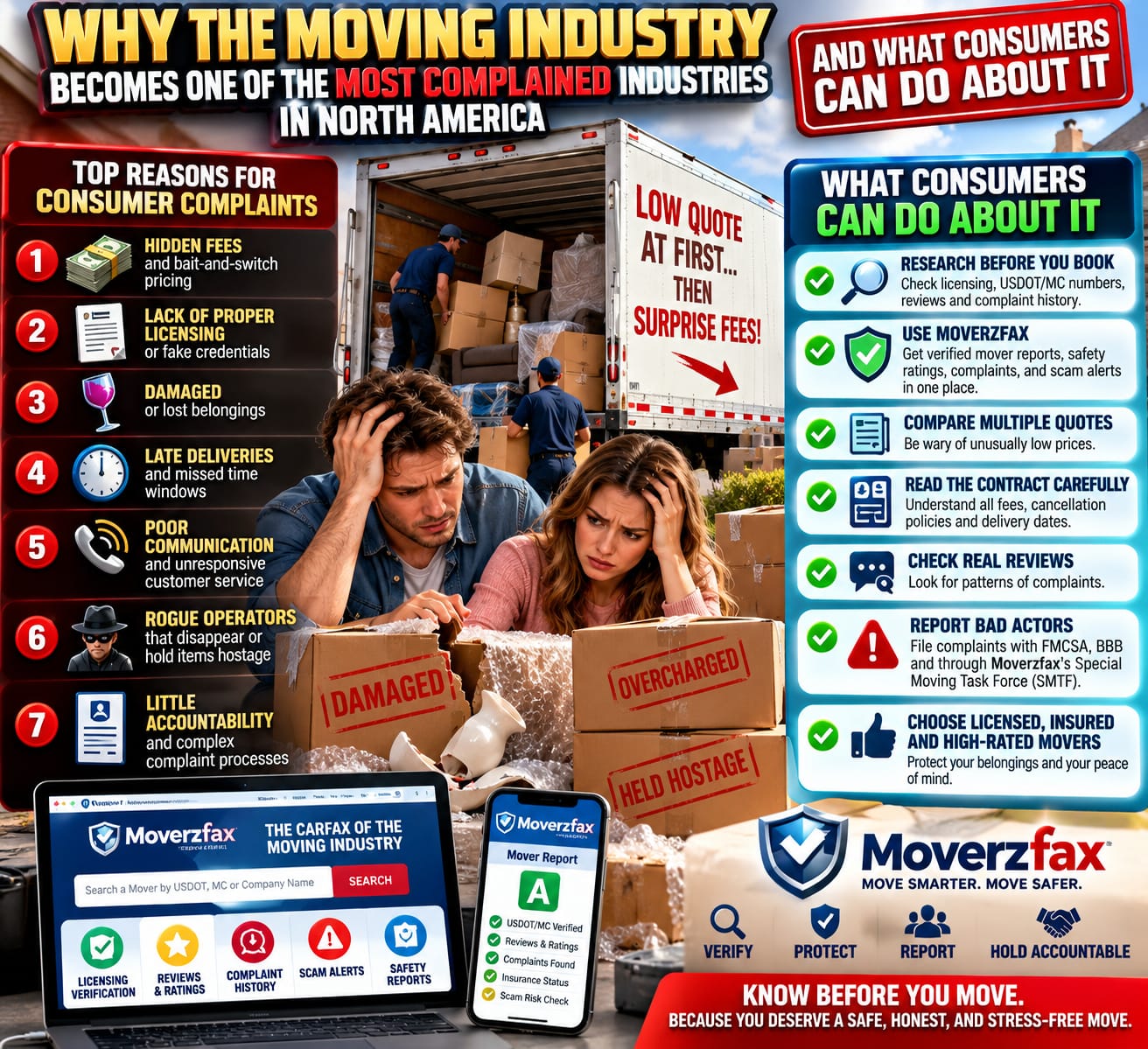
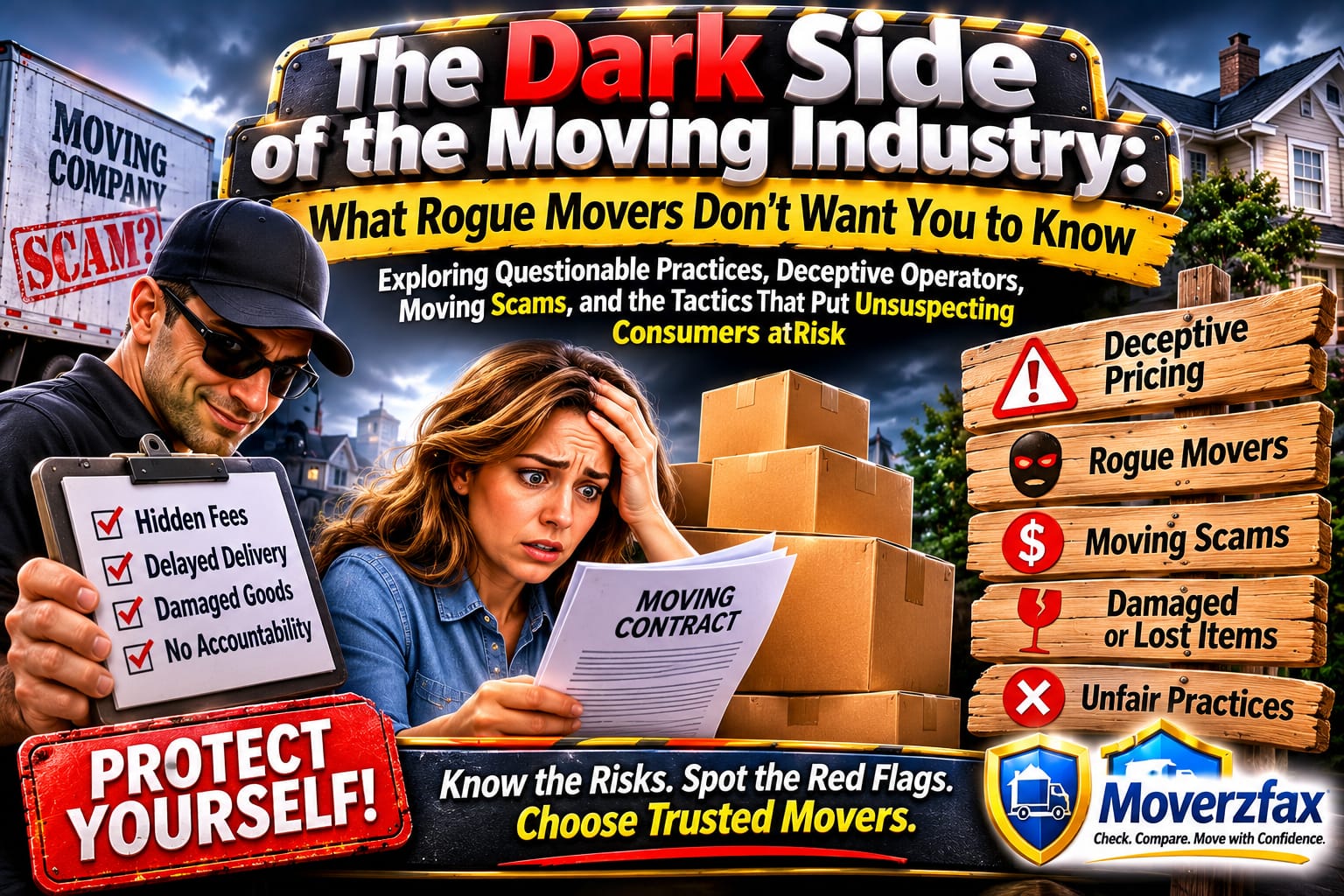
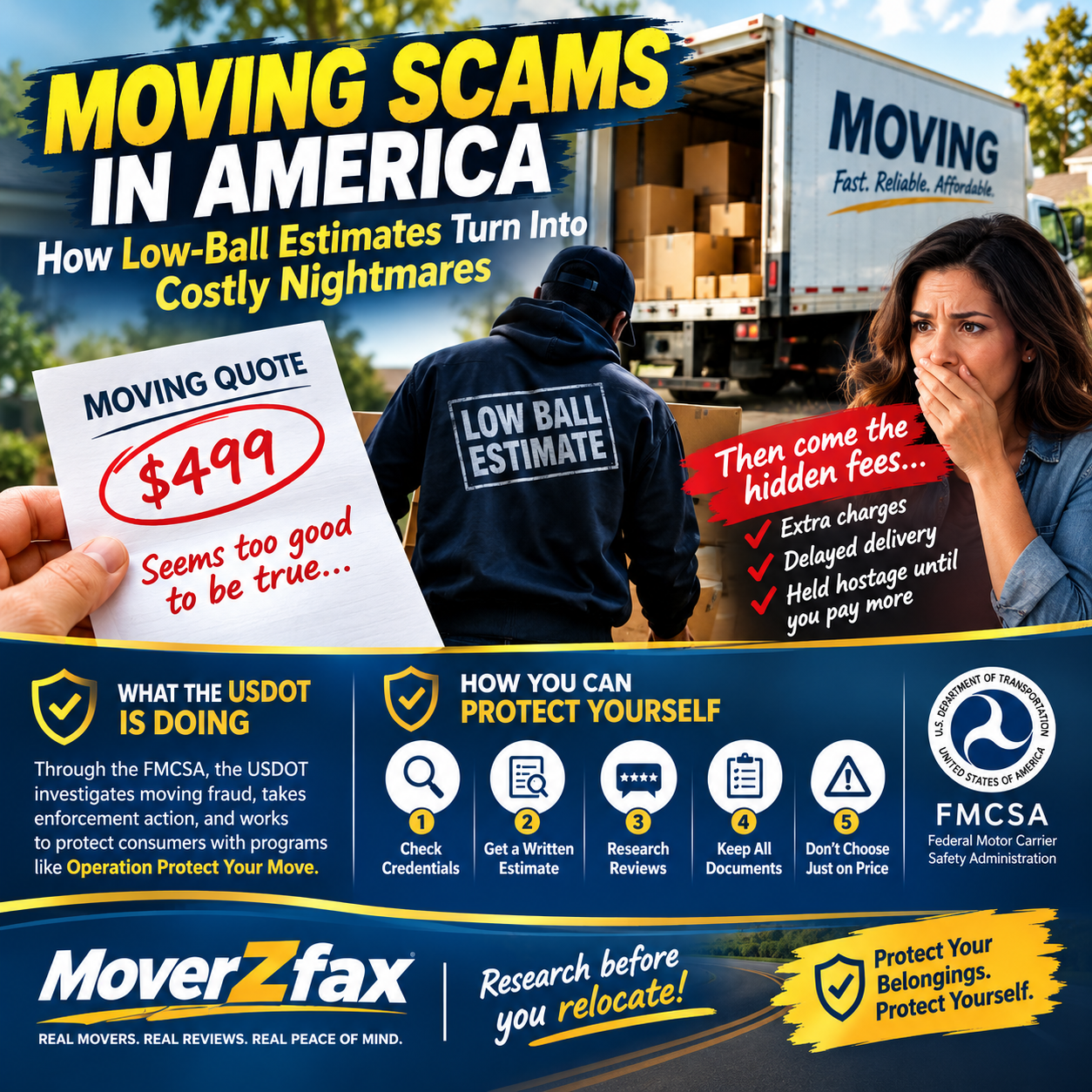
Visual Infographic
Click on the image below to expand and view full size infographic.
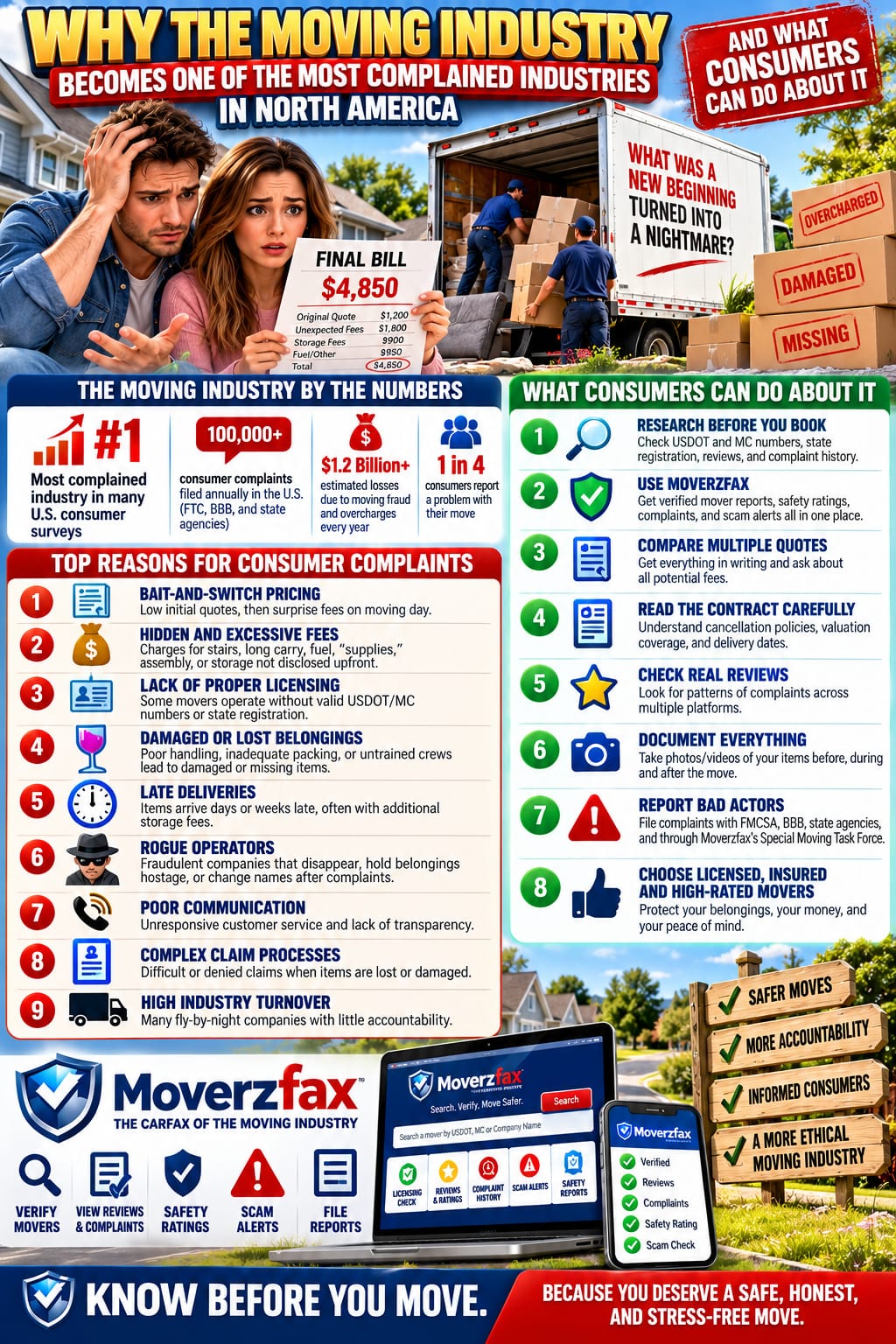
Moving to a new home should be an exciting milestone, but for many consumers, it becomes a costly and frustrating experience. The moving industry has faced persistent complaints involving unexpected charges, damaged or missing belongings, delayed deliveries, and deceptive business practices. While claims that movers rank as the second-worst industry behind handyman services depend on the specific ranking and year, Better Business Bureau (BBB) data confirms that moving-related complaints remain a serious consumer concern.
Why Does the Moving Industry Receive So Many Complaints?
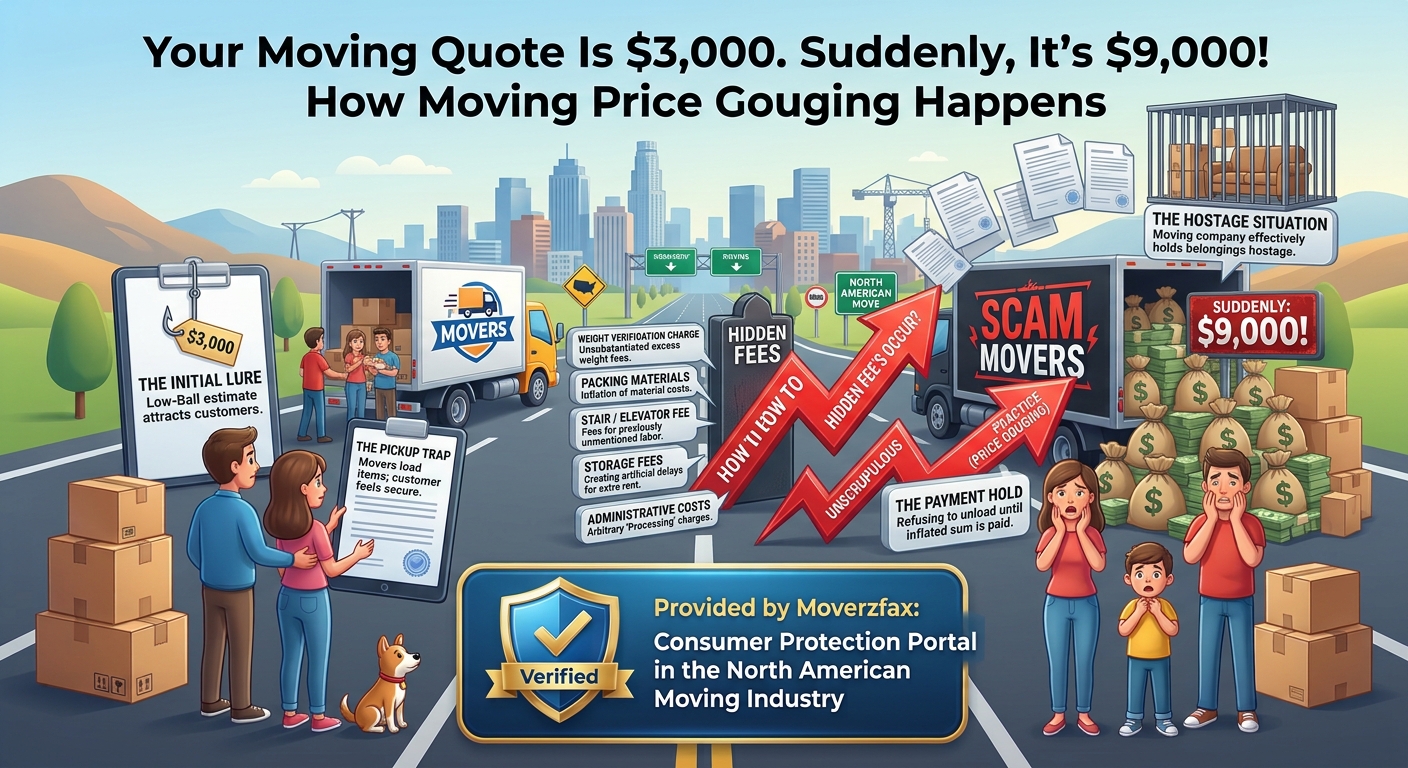
1. Low estimates followed by unexpected charges
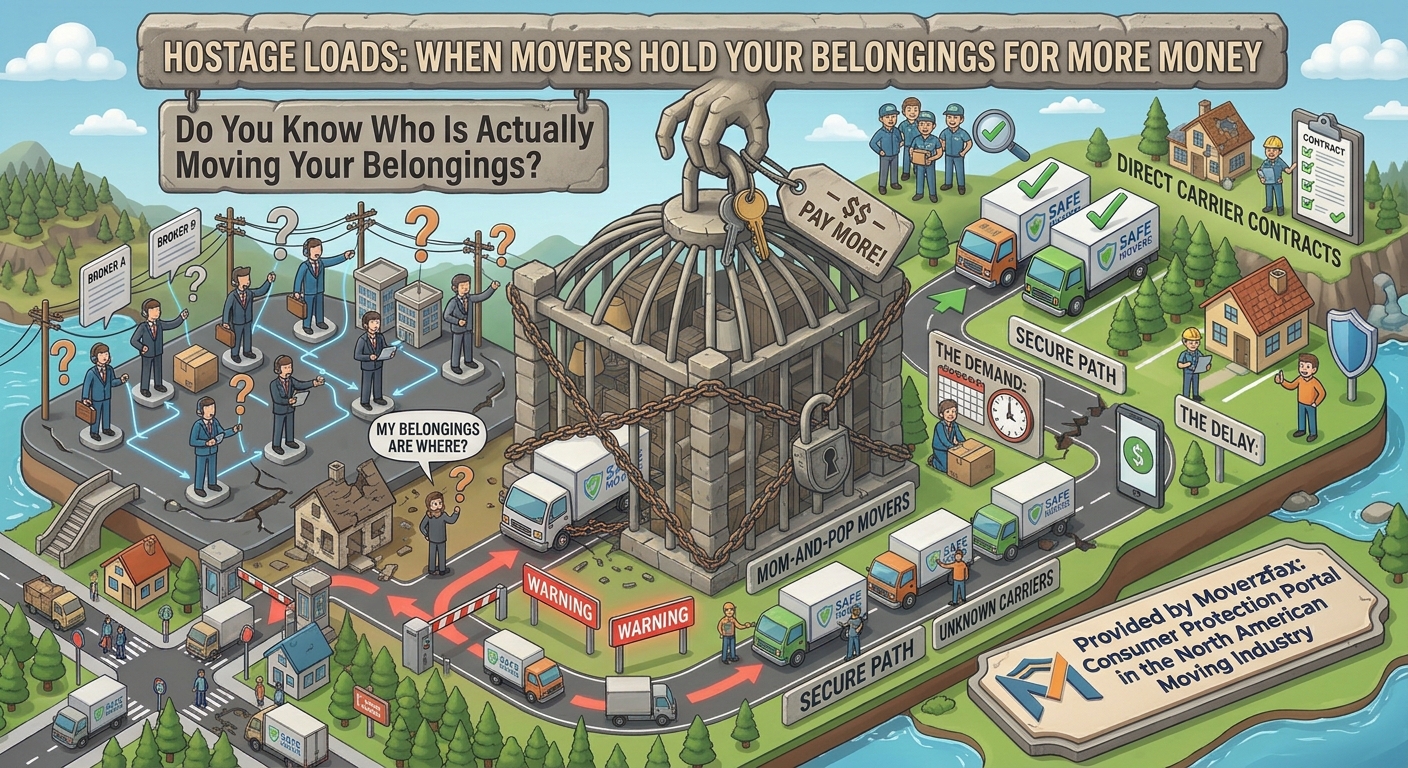
One of the most common problems begins with an attractive quote that changes dramatically on moving day. Some customers report being charged substantially more than expected after their belongings have been loaded onto the truck. In severe cases, unscrupulous operators refuse to deliver possessions until additional payments are made. The BBB has identified overcharging as a major concern in the moving industry.
2. Unclear contracts and confusing pricing
Moving estimates can depend on weight, distance, volume, access conditions, packing services, and other fees. When companies fail to explain these costs clearly, customers may face unexpected expenses. Consumers can also misunderstand the difference between a binding estimate and a nonbinding estimate, leaving them unprepared for the final bill.
3. Brokers and questionable operators
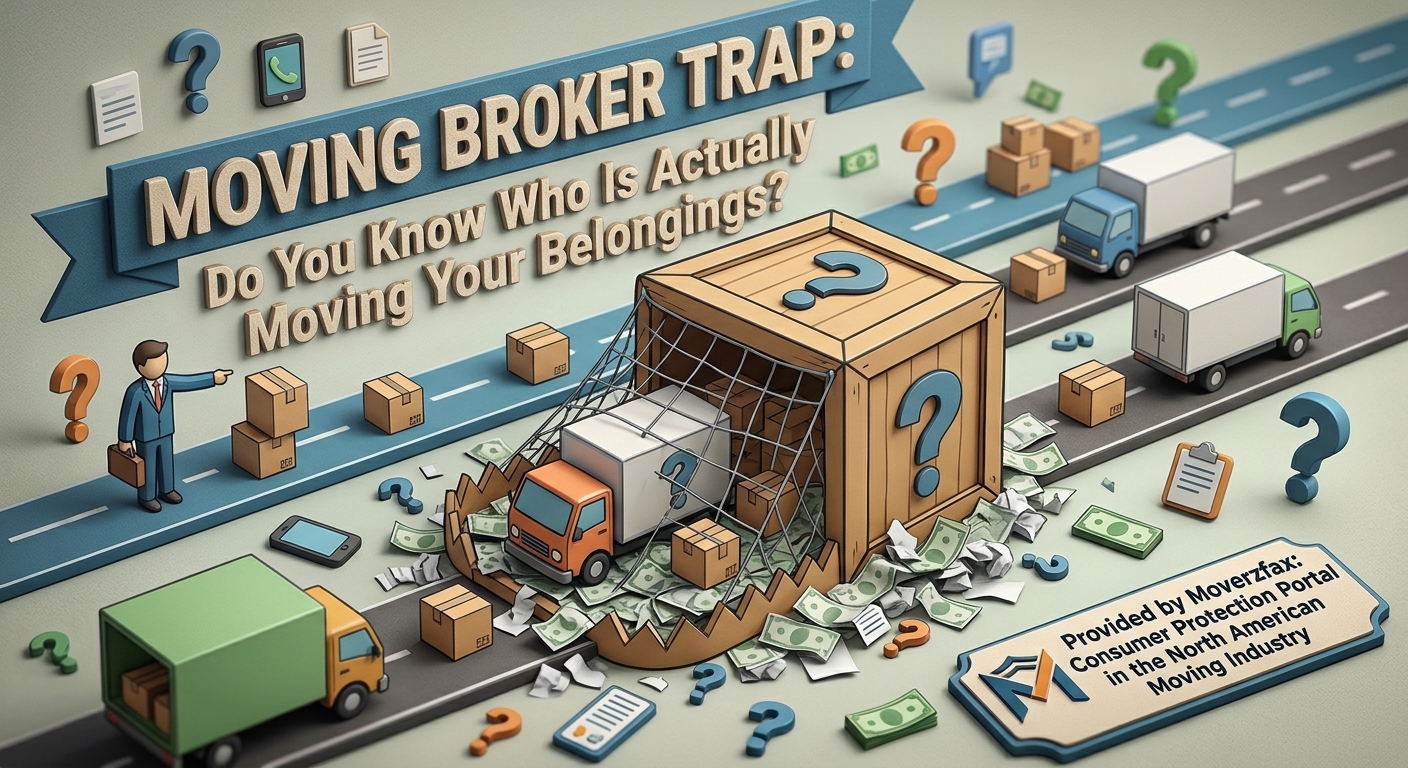
Some moving brokers arrange transportation through other companies rather than moving household goods themselves. If customers do not understand who will actually handle their belongings, accountability can become difficult when problems arise. Fraudulent operators may also advertise professional services without providing the quality, reliability, or transparency customers expect.
4. Damaged belongings and poor communication
Furniture, electronics, family heirlooms, and other personal possessions have both financial and emotional value. When items arrive damaged, go missing, or are delivered late, consumers may struggle to obtain compensation or timely responses. These disputes can become even more frustrating when a company stops communicating after receiving payment.
The underlying issue is trust: customers must often hand over their possessions before they know whether a company will honor its promises.
What Is Being Done to Protect Consumers?
Several organizations and consumer-protection measures help address these problems.
Better Business Bureau: The BBB accepts complaints, requests responses from businesses, publishes business profiles and customer reviews, and may offer mediation or arbitration where available. A company's complaint history and responsiveness can help consumers make informed decisions. However, the BBB is not a government regulator and cannot guarantee that every dispute will be resolved.
Federal Motor Carrier Safety Administration (FMCSA): For interstate household moves, the FMCSA oversees applicable federal requirements for movers and brokers. Consumers can verify a company's registration and review guidance through the agency's Protect Your Move website.
Consumer education and scam reporting: The BBB and federal agencies publish warnings about moving fraud and encourage consumers to report suspicious practices. These reports help document patterns and may support investigations or enforcement action.
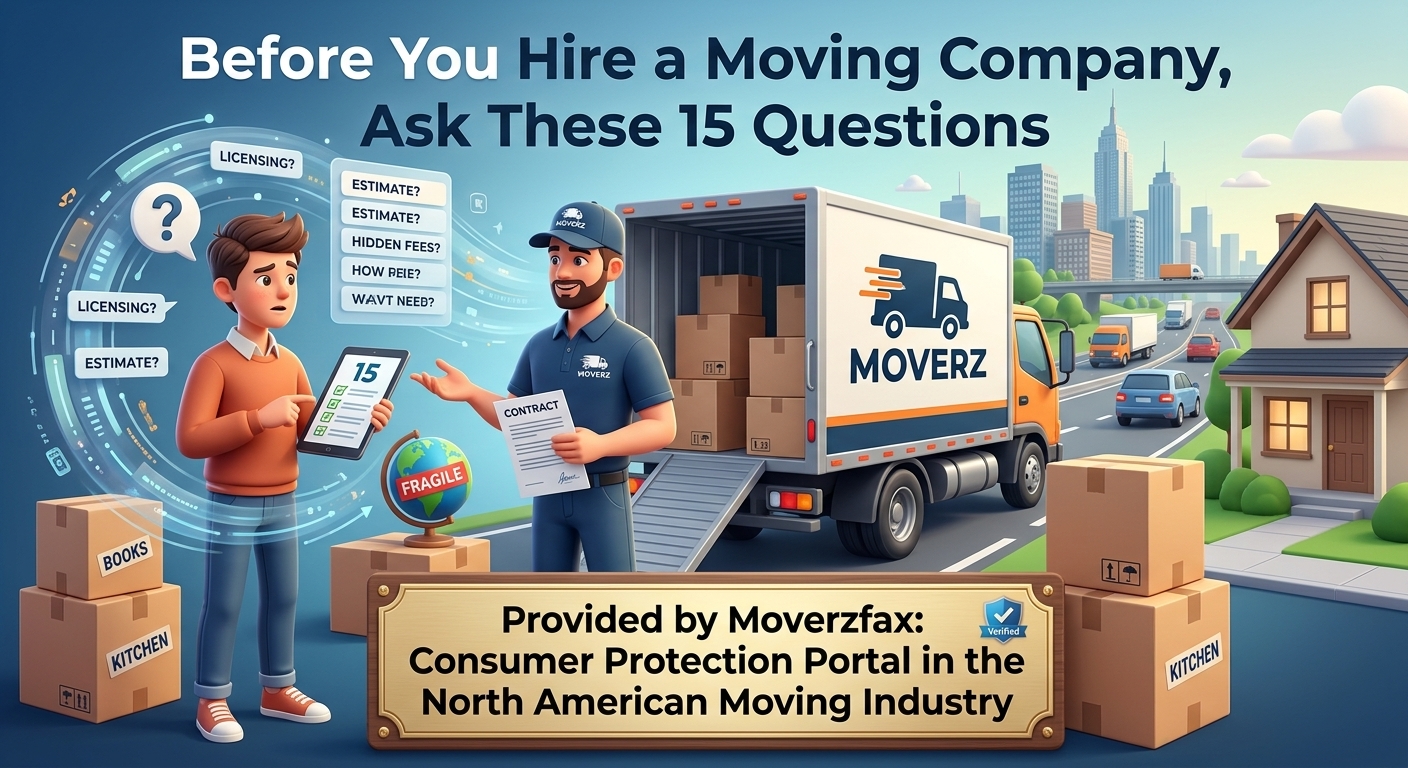
Consumers can reduce their risk by taking a few important steps before booking a move:
Research the company. Check BBB ratings, complaint histories, customer reviews, and the company's federal registration when applicable.
Get everything in writing. Request a detailed estimate and contract explaining the services, payment terms, delivery window, and potential additional fees.
Understand the estimate. Ask whether the quote is binding or nonbinding and what circumstances could change the price.
Verify who is handling the move. Determine whether you are hiring a moving company or a broker and identify the actual carrier.
Document your belongings. Photograph valuable items, maintain an inventory, and keep copies of all contracts, receipts, and communications.
Report problems promptly. File a complaint with the BBB and, for applicable interstate moves, report suspected violations to the FMCSA. Keep records and review the appropriate process for filing damage or loss claims.
The BBB's moving company hiring guide offers additional advice for selecting a mover.
The Road Ahead: Rebuilding Trust
The moving industry provides an essential service, and many professional movers work hard to serve customers honestly. However, persistent complaints demonstrate the need for greater transparency, stronger accountability, and better consumer education.
Ultimately, consumers should not have to fear losing control of their belongings or facing unexpected financial pressure when moving. By researching companies, demanding clear contracts, and reporting misconduct, customers can protect themselves and help expose harmful business practices.
A successful move starts with trust—and trust begins with transparency, accountability, and a commitment to doing what was promised.
Check Mover Legitimacy
Before hiring any mover, verify their USDOT registration and safety history report.
Search Mover NowRecent Articles












No comments published yet. Be the first to share your thoughts below!
Leave a Reply